
The Impact of Convenience Foods on Spending
The rise of convenience foods has brought significant changes to the way households approach meal preparation. These products, known for their ready-to-eat nature and minimal preparation time, appeal to those with busy lifestyles. Despite their popularity, these foods can have a profound effect on household budgets, often leading to increased spending if not approached with a mindful purchasing strategy. The reasons behind this trend include the costs embedded in processing, packaging, and marketing, which ultimately translate to higher prices compared to less processed foods.
Understanding Convenience Food Pricing
Several key factors contribute to the elevated price point associated with convenience foods. One of the primary reasons is the processing required to transform raw ingredients into ready-to-eat meals. This step involves various technologies and labor, which inherently increases the cost. For instance, the precision involved in creating consistent and reliable meals at scale demands investments in both technology and quality control measures.
Beyond the processing, packaging plays a significant role in the pricing of convenience foods. The packaging is designed to enhance the shelf life of the product and appeal to consumers through eye-catching designs and informative labels. This layer of cost interacts with logistics and marketing expenses, culminating in a significant premium over the base costs of the raw ingredients.
Over prolonged periods, the frequent purchase of these items compounds to cause a noticeable elevation in grocery bills. The perceived savings in time must be balanced against these additional financial outlays, making it crucial for budget-conscious consumers to be aware of the implications.
The Role of Snacks in Household Budgets
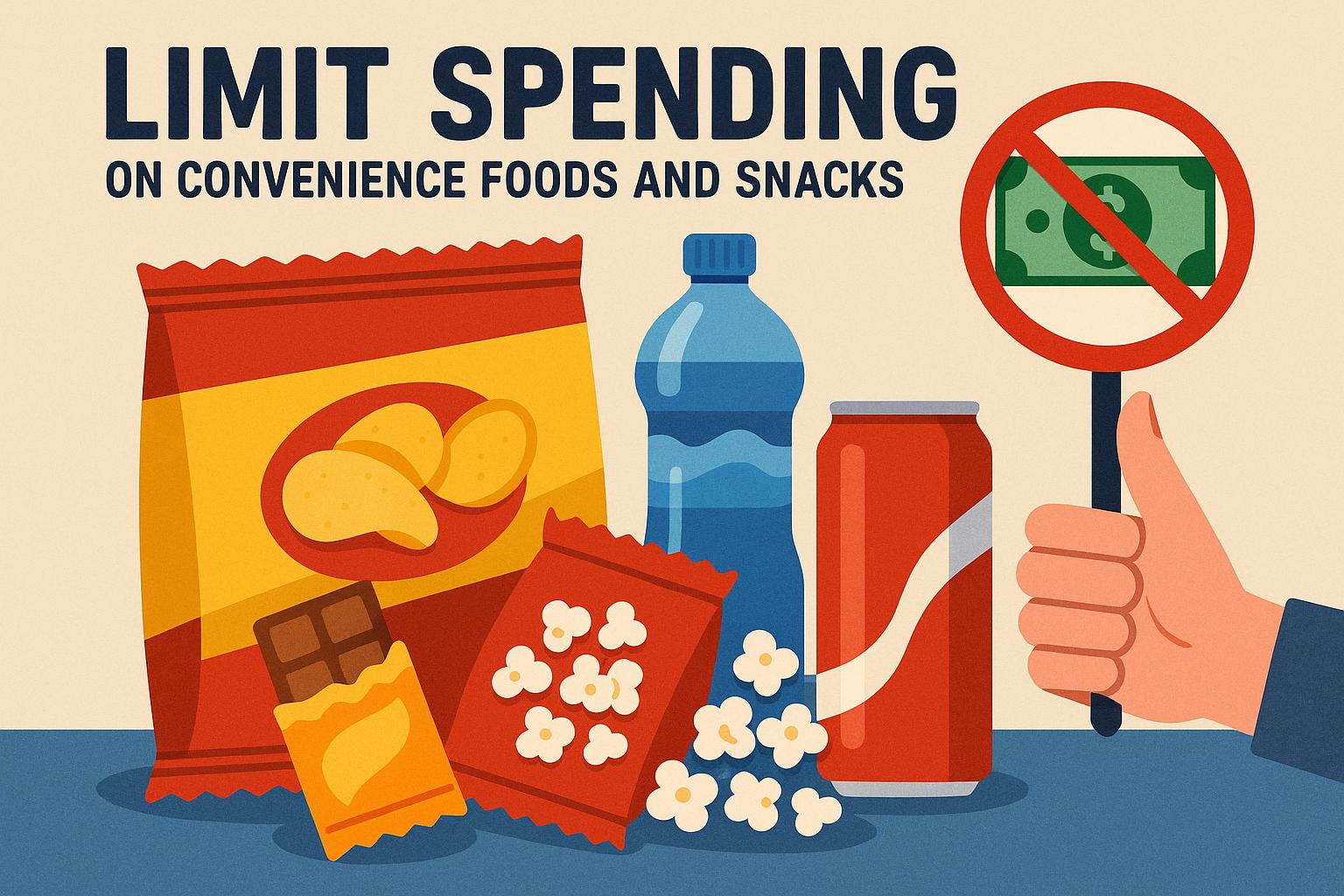
Snacks are a subset of convenience foods that carry their set of budgetary considerations. Items such as chips, candies, and other pre-packaged treats often create a substantial strain on household finances due to their relatively high cost and nutritional shortcomings. While these products do provide quick satisfaction and an immediate energy boost, their frequent purchase can lead to escalating costs.
Moreover, an analysis of their nutritional content usually reveals that they provide limited dietary benefits, mostly because they are often high in sugars, salts, and unhealthy fats. These factors, combined with the tendency for impulsive buying spurred by their strategic placement in stores, can lead to overspending without delivering sufficient nutritional value.
Strategies to Limit Spending on Convenience Foods
Effectively managing the budget associated with convenience foods requires deliberate action and premeditated strategies. One of the foundational steps in this direction is to plan meals in advance. This approach involves preparing a comprehensive menu for the week and crafting a detailed shopping list that aligns with it. The discipline of adhering to a shopping list can curb the impulsive acquisition of convenience products.
Another beneficial practice includes dedicating time to meal preparation, which allows you to enjoy the advantages of pre-prepared meals without incurring additional costs. By setting aside some time weekly to cook and portion meals, you’re able to create homemade versions of your favorite convenience foods, often at a fraction of the cost. Utilizing kitchen devices such as slow cookers or instant pots can facilitate this process, providing a means to prepare nutritious meals with minimal hands-on attention.
Furthermore, exploring alternatives like batch cooking and freezing can help maintain variety and freshness in meals. This strategic approach reduces the dependency on supermarket convenience foods while promoting healthier eating habits.
The Benefits of Reducing Convenience Food Purchases
Transitioning from convenience foods to fresh, whole ingredients offers a dual benefit: financial savings and improved dietary practices. Preparing meals at home empowers you to control the nutritional content of your diet, reducing the intake of additives and preservatives characteristic of many store-bought convenience foods. This nutritional control contributes to overall better health outcomes, complementing the budgetary relief.
The shift towards whole foods also introduces a broader range of culinary experiences, encouraging creativity and experimentation in the kitchen. This exploration can foster a stronger connection with the food we eat and heightens appreciation for the flavors and nutrients in natural ingredients.
For those seeking further insight into meal planning and frugal cooking methods, additional resources can provide valuable guidance and tips to streamline this transition.
In summary, by acknowledging the financial and health implications associated with convenience foods, consumers can make more informed choices. This awareness facilitates healthier eating patterns and reduces unnecessary spending, benefitting both one’s financial standing and overall well-being. Ultimately, the effort to re-evaluate and adjust food purchasing habits pays dividends in multiple areas of life.