
Introduction
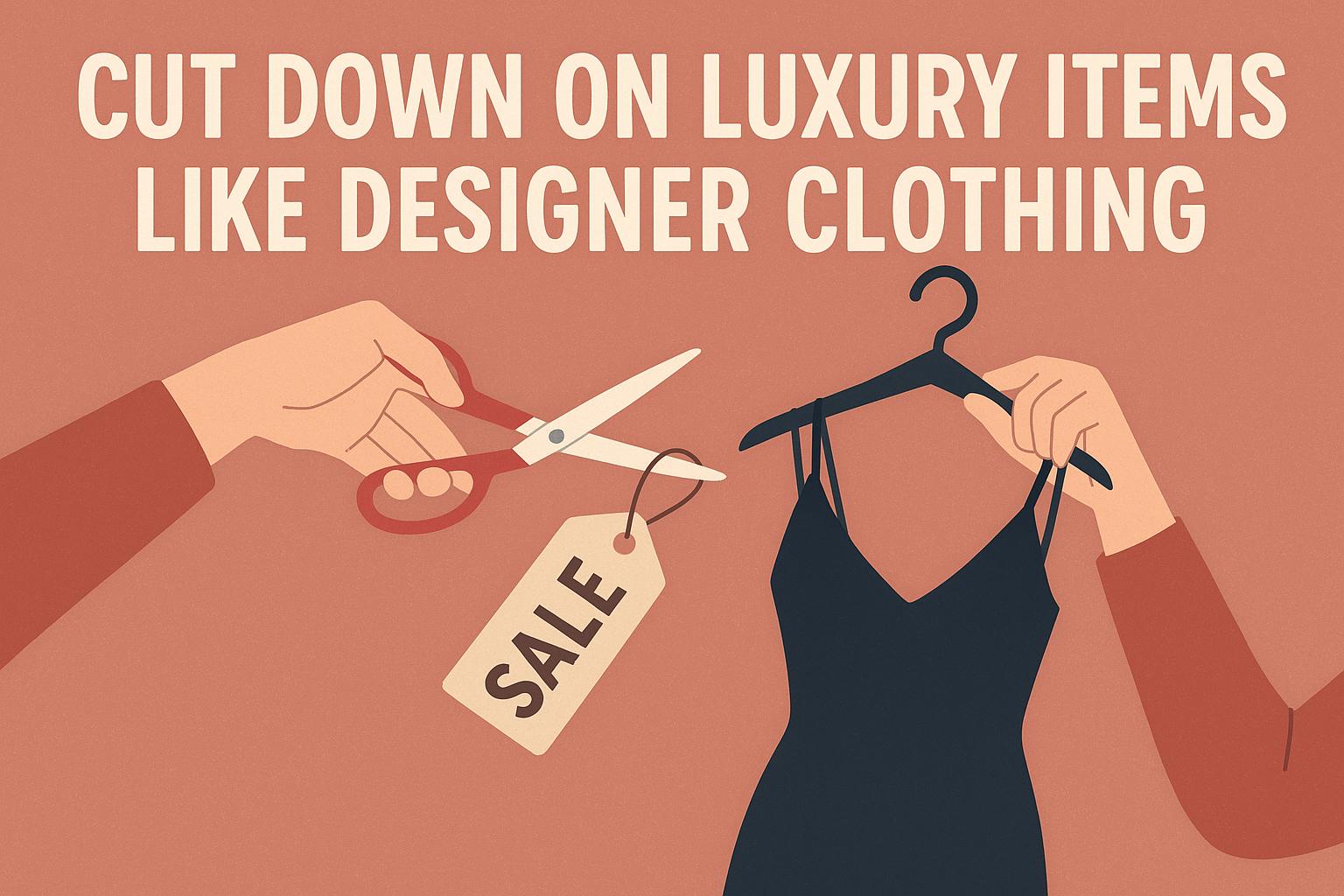
Cutting down on luxury items, such as designer clothing, can have significant financial and environmental benefits. While luxury items often symbolize status and success, their effects can extend beyond personal lifestyle choices into larger economic and ecological realms. In today’s world, consumerism can be seen as a driving force behind individual behaviors and attitudes. The implications of purchasing luxury items are far-reaching, affecting not only personal finances but also the global environment.
Financial Impact
Designer clothing is often associated with high cost, which can have a substantial impact on an individual’s finances. Investing in luxury items can lead to a strain on personal budgets, often resulting in reduced savings for future needs or essentials. Such spending habits can create a lifestyle that prioritizes immediate gratification over long-term financial health, leading to potential debt accumulation.
By opting to cut down on such expenditures, individuals can allocate more funds towards savings, investments, or other necessities. This shift in spending priorities can result in greater financial stability and security. For instance, rather than spending hundreds or thousands on a single designer item, the same funds can be diversified into investments that yield returns over time. Financial advisors often advocate for such prudent spending habits to ensure long-term economic well-being.
Cost-Benefit Analysis
Performing a cost-benefit analysis can help in evaluating the long-term impact of purchasing luxury items. This analytical approach involves weighing the immediate pleasure and status derived from owning designer clothing against the potential for financial savings and the opportunity to invest in more versatile wardrobe options or experiences. Rapid changes in high-priced fashion trends can lead to a cycle of continuous spending, compelling consumers to update wardrobes frequently to keep up with the latest styles.
Moreover, the lifespan of these items is often short-lived as fashion fades. In contrast, investing that money elsewhere can lead to more sustainable financial outcomes. Such analysis not only helps in making more informed purchase decisions but also encourages a merit-based evaluation of spending versus saving.
Environmental Considerations
The production of designer clothing is not devoid of environmental consequences. Luxury fashion brands often use resource-intensive production methods, leading to significant environmental footprints. From the utilization of raw materials to manufacturing processes, every step involves elements that may cause harm to the environment. For instance, excessive water use in fabric dyeing processes, high energy consumption during production, and chemical use that may lead to pollution.
By reducing the consumption of such items, consumers can contribute to a decrease in demand, which can, in turn, promote sustainable practices within the fashion industry. Encouraging a shift toward eco-conscious consumerism can significantly reduce the fashion industry’s environmental impact.
Fashion Industry’s Ecological Footprint
The fashion industry is known for its considerable use of water, energy, and chemicals. Additionally, high levels of waste are generated due to unsold inventory and rapid trend cycles. These practices contribute to the industry’s substantial ecological footprint, with many luxury brands being key contributors due to their emphasis on high-end, resource-heavy products.
Fashion Revolution is one organization that promotes sustainable and ethical practices in the fashion industry. The organization advocates for transparency in supply chains, the reduction of waste, and the adoption of environmentally friendly production processes. By supporting sustainable brands, consumers can make informed choices that align with environmental conservation efforts.
Choices such as purchasing second-hand items, opting for brands that use organic materials, or supporting local artisans can lead to significant environmental benefits. These actions not only reduce the carbon footprint associated with production and transportation but also encourage a circular economy where items are reused and remade rather than discarded.
Conclusion
While luxury items like designer clothing are enticing, reducing their consumption can lead to beneficial financial and ecological outcomes. It is important for consumers to conduct thorough assessments of the personal and wider impacts of such purchases, understanding both immediate and longer-term consequences.
Opting for more sustainable and financially sound alternatives fosters a more balanced approach to consumerism. Instead of succumbing to the allure of luxury brands, consumers can lean towards more durable, timeless pieces that offer longevity and versatility. In this way, individuals can enjoy a sense of personal satisfaction without compromising their financial security or contributing to environmental degradation.
Ultimately, informed choices enable consumers to align their spending with broader sustainability goals, supporting both personal wellbeing and global ecological health. Adopting such practices can pave the way for a more financially stable and environmentally responsible future.