
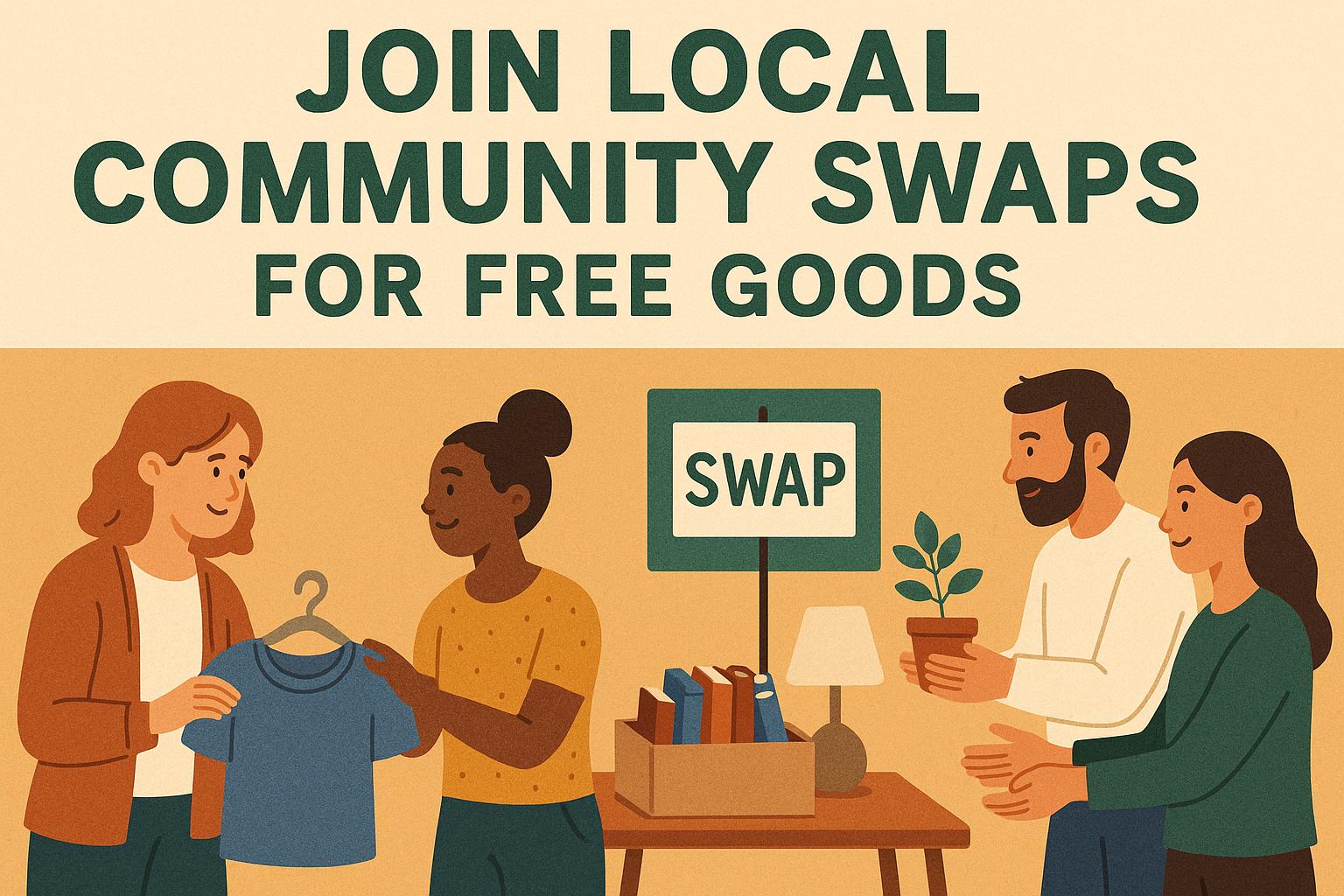
Understanding Local Community Swaps
Local community swaps present a distinctive avenue for individuals to exchange goods without engaging in any monetary transactions. These swaps are often the brainchild of community groups, non-profit organizations, or can emerge organically through neighborhood social networks. They offer a platform where one can acquire items that are needed, while simultaneously providing an opportunity to give away possessions that are no longer in use.
The Benefits of Participating
Engaging in local community swaps provides several advantages. At the forefront is their cost-effectiveness. By participating in these swaps, individuals can refrain from spending money and instead rely on the barter of goods, resulting in financial savings. Moreover, these swaps are inherently environmentally friendly. They encourage the circulation and reutilization of goods that might otherwise end up contributing to landfill waste, thus fostering a recycling-culture that has positive environmental implications.
Types of Items Typically Exchanged
Community swaps usually feature a diverse array of items available for exchange. Among the most common items are clothing, which can range from everyday apparel to more unique pieces; household items, including kitchenware, small furniture, and decorative objects; electronics that one might not use anymore, such as outdated phones or accessories; and books of varied genres. These events serve as a dynamic platform for participants to procure items they need, all the while enabling them to share those they wish to pass on.
How to Find and Join a Local Swap
Identification and participation in a local community swap can be achieved through a variety of channels. Neighborhood bulletin boards, found in places such as local libraries or community centers, are often teeming with information about upcoming swaps. Additionally, modern social media platforms like Facebook and Nextdoor frequently host community groups where these events are advertised. When discovering a prospective swap event, it is crucial to familiarize oneself with any existing specific guidelines or rules that govern participant interaction and the swap process.
Promoting Community and Sustainability
The act of participating in community swaps extends its benefits beyond the individual, promoting a communal spirit and enhancing community cohesion. Engaging in these shared experiences can lead to the formation of new connections, reinforcing a sense of community belonging. Furthermore, by taking part in sustainable practices, individuals play a part in enhancing the health of their local environment, demonstrating commitment to the reduction of waste and fostering collective well-being.
Engaging with platforms such as Freecycle or Buy Nothing Project can provide further insights and opportunities for those interested in the concept of community swaps. These platforms offer an array of resources designed to assist individuals keen on participating in community swaps.