
Understanding Payday Loans
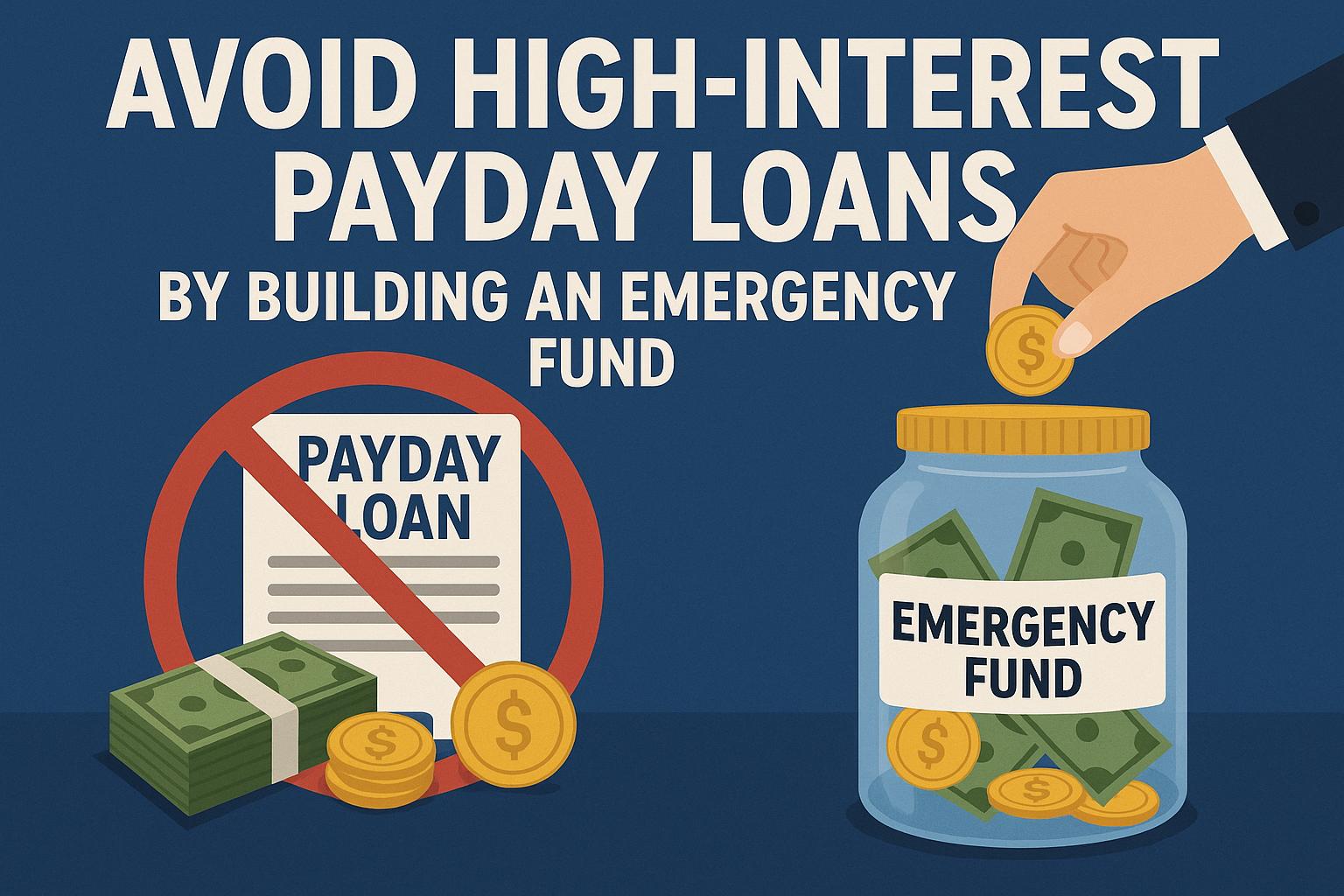
Payday loans represent a specific form of financing that is designed to meet short-term financial needs. These loans are characterized by their high-interest rates, often leading to annual percentage rates (APRs) that can escalate into triple digits. Individuals typically resort to payday loans when they face a liquidity crunch and need immediate cash to bridge the gap until their next paycheck arrives.
The allure of payday loans lies in their easy accessibility and the promise of quick financial relief. However, this convenience comes at a significant cost. The exorbitant interest rates associated with payday loans can result in a vicious cycle of debt for borrowers. Instead of simply repaying the initial amount borrowed, individuals often find themselves burdened with rapidly accumulating interest, making it difficult to break free from this financial obligation.
The Importance of Building an Emergency Fund
To avoid the pitfalls of payday lending, establishing an emergency fund emerges as a proactive step toward achieving long-term financial stability. An emergency fund acts as a financial safety net that can be leveraged to cover unforeseen expenses, thereby reducing the reliance on high-interest loans.
Such funds are essential for dealing with unexpected scenarios that demand immediate financial action. Examples include medical emergencies, unexpected car repairs, or urgent maintenance work required in one’s home. These kinds of expenses, while unpredictable, are almost inevitable over the course of an average person’s life.
Steps to Building an Emergency Fund
The journey to developing a robust emergency fund begins with setting a pragmatic savings goal. Financial advisors often recommend accumulating a reserve equal to three to six months’ worth of essential living expenses. However, for individuals who might find this daunting at first, beginning with a smaller, attainable goal ensures progress and offers immediate financial security.
Creating and adhering to a budget is essential when working toward this goal. Begin by meticulously tracking monthly spending habits to distinguish between necessary expenditures and discretionary spending. This helps identify potential areas for cost-cutting, allowing for redirection of funds into the emergency reserve.
Automated savings approaches form a core component of effective fund-building strategies. One practical method involves setting up regular automatic transfers from a primary checking account to a dedicated savings account. This not only promotes consistency but also diminishes the temptation to use the funds for non-essential purposes.
Alternative Financial Solutions
For individuals who face immediate financial challenges, viable alternatives to payday loans are available. One such option is acquiring personal loans through credit unions. Unlike payday loans, credit union loans typically offer the advantage of lower interest rates and more reasonable repayment terms.
Furthermore, credit unions frequently provide financial counseling services to assist their members in managing their financial situations prudently. This guidance can prove invaluable in creating sustainable financial plans and avoiding risky debt options.
Additionally, community resources such as local charities and non-profits offer another avenue for those needing financial support. These organizations sometimes provide temporary aid for essential expenses, including utility bills or groceries, without charging interest or requiring repayment, giving borrowers some breathing room during difficult times.
Conclusion
The significance of steering clear of high-interest payday loans cannot be overstated when considering strategies for maintaining sound financial health. By prioritizing the establishment of an emergency fund, individuals are better equipped to manage unanticipated expenses without resorting to potentially crippling financial products.
Although the process of amassing a substantial emergency reserve may demand time and persistence, the long-term benefits are unequivocal and substantially surpass the effort involved. More importantly, developing financial resilience protects individuals from falling into debt traps that could have serious repercussions.
For those seeking further enlightenment on managing personal finances and developing effective saving strategies, numerous resources are available. Prominent among them are The National Endowment for Financial Education and Smart About Money, organizations dedicated to enhancing financial literacy and empowering individuals to make informed financial decisions. For detailed guidance and support, consider exploring their offerings via their respective websites.