
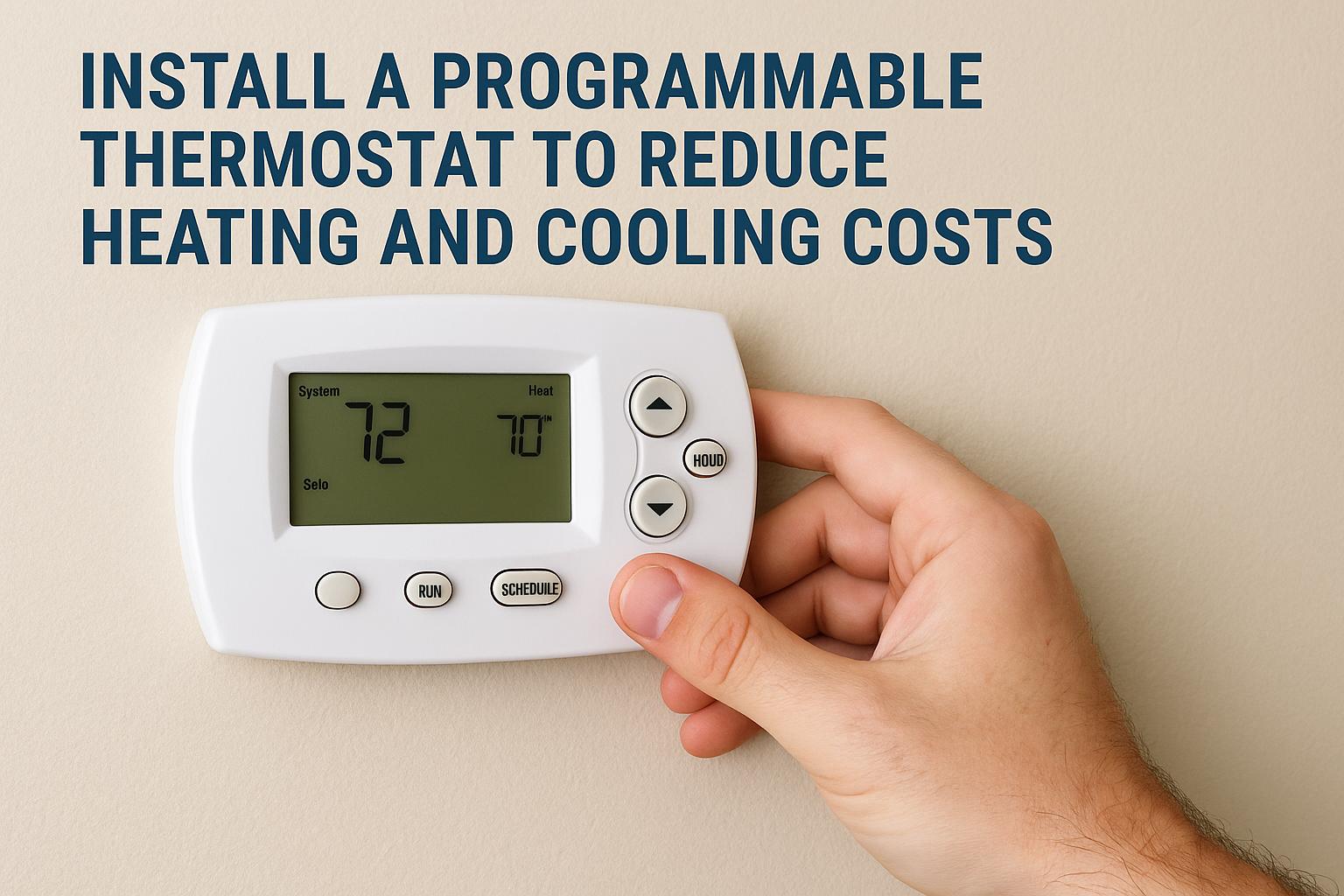
Introduction to Programmable Thermostats
Reducing heating and cooling expenses is a priority for many households, and installing a programmable thermostat is a practical solution. This device enables you to set specific temperatures for different times of the day, which can result in significant energy savings. Understanding how to install and utilize a programmable thermostat effectively can lower your energy bills and increase overall home efficiency.
Benefits of Using a Programmable Thermostat
Implementing a programmable thermostat provides multiple benefits. The primary advantage is energy efficiency. By programming the thermostat to operate the HVAC system according to your schedule, such as lowering heating levels when you are asleep or at work, the system uses less energy. Additionally, maintaining consistent temperatures can prolong the life of your HVAC system by reducing wear and tear.
Energy Savings
Programmable thermostats allow for precision in how and when you use energy for heating and cooling. By setting different temperatures for various times, such as lowering the heat when you’re not home or raising it before you wake up, you can effectively manage energy consumption. For example, adjusting the temperature by a single degree can lead to a substantial reduction in energy use over time, providing steady savings on your utility bills.
Environmental Impact
Alongside cost savings, employing a programmable thermostat also positively impacts the environment. Reduced energy consumption directly translates to lower emissions, particularly in homes that rely on fossil fuels for heating. By minimizing unnecessary energy use, programmable thermostats contribute to **sustainable living** and reduce the overall carbon footprint of your household.
Types of Programmable Thermostats
There are several types of programmable thermostats available, each offering unique features:
7-Day Models: These offer different temperature settings for each day of the week, ideal for those with varying schedules. A 7-day model allows complete flexibility and customization, giving you the opportunity to program unique schedules that fit your lifestyle perfectly.
5+2 Day Models: These thermostats provide separate settings for weekdays and weekends, beneficial for typical work-week schedules. They offer a balance of flexibility and ease of use, as many people have consistent weekday routines which differ from their weekend activities.
5-1-1 Models: This type offers different settings for weekdays and separate settings for Saturday and Sunday. Such models are suitable for individuals whose weekend activities might differ slightly day-to-day, requiring more control than the 5+2 models.
Installation Process
Installing a programmable thermostat is generally a straightforward process, though it requires attention to detail. Here’s how you can replace your existing thermostat with a programmable model:
Remove the Old Thermostat: Carefully detach your existing thermostat, ensuring that the wires remain attached as you will need them for the new unit. Observe how the current system is connected, as this knowledge will assist in setting up the new thermostat correctly.
Label the Wires: Use labels to mark each wire to maintain the correct connections for the new installation. This step is crucial as it prevents confusion and ensures that each wire is connected to the correct terminal on the new thermostat.
Install the New Thermostat Base: Attach the base of the new programmable thermostat securely to the wall. Ensure it’s level and properly aligned with either existing holes or new ones you’ve drilled if necessary.
Connect the Wires: Following the instructions provided with your new thermostat, connect the wires to the corresponding terminals. Pay close attention to the manufacturer’s guidelines to avoid incorrect wiring which can cause functionality issues.
Attach the Thermostat Faceplate: After wiring, mount the thermostat faceplate onto the base. Ensure it clicks into place securely, indicating a proper fit and setup.
Restore Power and Program the Thermostat: Once installed, turn the power back on and set up the thermostat following the manufacturer’s guidelines. Begin programming it by setting your preferred heating and cooling schedules tailored to your daily routine.
Troubleshooting and Support
During the installation process or while using the thermostat, you may face some difficulties. Most manufacturers offer comprehensive support to assist you with any challenges.
If issues arise, consult the manufacturer’s support resources, including detailed guides, FAQs, and customer service contacts, which can typically address common problems or questions. Seeking advice from professional HVAC services can also be an effective way to troubleshoot or enhance the effectiveness of your system.
For those looking for more extensive information, checking out governmental or local energy efficiency resources can provide valuable insights. Whether addressing specific installation issues or exploring how to maximize energy savings, many resources are available to help optimize your programmable thermostat’s performance.
In conclusion, installing a programmable thermostat is a straightforward endeavor that yields economic and environmental benefits. By automating your home’s climate control, you can decrease unnecessary energy consumption and save on utility costs, contributing positively to energy conservation efforts. For more technical information or to explore purchasing options, consider visiting reputable home improvement retailers’ websites or consulting with energy specialists to ensure the best choice for your unique needs.