
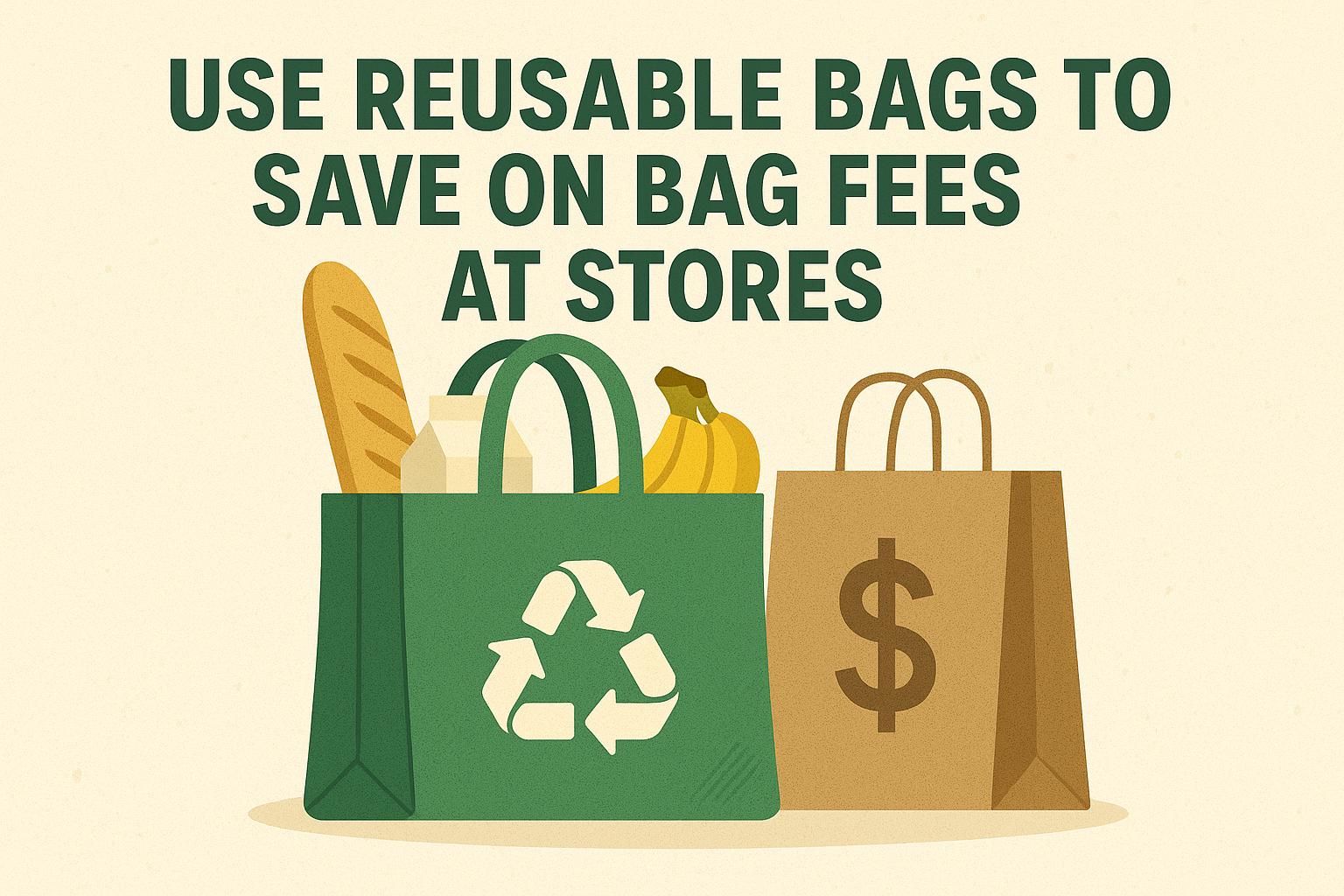
Understanding Bag Fees at Stores
In recent years, numerous retail stores have implemented bag fees as part of their efforts to reduce environmental impact. These fees are often minimal yet serve as a reminder for consumers to reconsider their shopping habits. The primary goal is to encourage the use of reusable bags as an alternative to single-use plastic or paper bags.
Environmental Impact of Single-Use Bags
Single-use bags, whether plastic or paper, contribute significantly to environmental pollution. Plastic bags can take hundreds of years to decompose, leading to persistent waste issues. Paper bags, while biodegradable, require large amounts of water and energy for production. Choosing reusable bags helps to reduce these environmental challenges.
When we examine the lifecycle of single-use bags, it becomes evident that their environmental footprint is substantial. Plastic bags are produced using fossil fuels, and their manufacturing process releases greenhouse gases. These gases contribute to climate change, which is one of the most pressing issues facing our planet today. On the other hand, paper bags are often viewed as a better alternative because they are made from renewable resources. However, they still require a significant amount of water and trees for their production. The deforestation associated with creating paper bags can lead to loss of biodiversity and destruction of habitats.
Moreover, the disposal of single-use bags presents additional environmental challenges. When not disposed of properly, plastic bags can end up in waterways, oceans, and landscapes, where they pose threats to wildlife. Animals can mistake plastic bags for food, leading to ingestion that can be fatal. Additionally, plastic bags can block drainage systems, causing urban flooding and other infrastructural problems in cities.
Cost Savings for Consumers
Using reusable bags can lead to considerable cost savings for consumers. Though the bag fee is relatively minor, it can accumulate over time, especially for frequent shoppers. By utilizing reusable bags, customers can eliminate these recurring charges. Some stores even offer discounts or incentives for bringing personal bags, further enhancing savings.
From a financial perspective, the shift to reusable bags can have significant benefits. Consumers who frequently shop at grocery stores or retail outlets where bag fees are implemented might find these costs adding up. Over months and years, the money saved from not purchasing single-use bags can contribute to a household’s budget. Additionally, certain retailers motivate consumers by providing loyalty points or direct discounts in exchange for using reusable bags. Such incentives make the practice economically attractive in addition to being environmentally beneficial.
Moreover, investing in durable, high-quality reusable bags means lower costs in the long run. While the initial expense might be higher compared to purchasing plastic bags, reusable bags can withstand multiple uses without significant wear and tear. In essence, they offer a greater return on investment compared to single-use options, which require continuous repurchasing.
Types of Reusable Bags
There are various types of reusable bags available in the market, each designed to cater to different needs. The most common materials include:
- Cloth bags: Made from natural fibers like cotton or jute, these are durable and easily washable.
- Nylon bags: Lightweight and compact, they can be folded into small sizes for easy storage.
- Polypropylene bags: Often used for grocery shopping, these are strong and come in a variety of designs and colors.
Cloth bags are favored for their eco-friendly composition and versatility. Being crafted from natural fibers like cotton, they can easily be cleaned and reused numerous times. Jute bags also fall under this category and are appreciated for their robustness and sustainability. Cloth bags have the added advantage of being customizable, allowing companies and individuals to use them as a medium for branding or personal expression.
Nylon bags cater to those who prefer a lightweight and easily portable option. Given their ability to be compactly folded, they are convenient for individuals who may need to store bags in their car or handbag. Nylon is a synthetic material, yet its longevity in reusable bag form can mitigate some environmental concerns associated with synthetics.
Polypropylene bags are often seen in grocery stores and can be recognized by their durability. These bags are designed to carry heavier loads compared to flimsy plastic alternatives. Available in numerous shapes, sizes, and colors, polypropylene bags often serve as attractive options for environmentally conscious shoppers. Despite being made from synthetic fibers, they compensate through repeated use, thereby offsetting the environmental footprint over time.
Conclusion
Switching to reusable bags not only helps the environment but also results in long-term savings for consumers. While initially, one might need to purchase these bags, the investment pays off by eliminating bag fees and possibly gaining additional store incentives. For further insights on sustainable shopping practices, consider exploring resources from Earth Day Network or Greenpeace. Adopting this small change can contribute to more sustainable shopping habits and a healthier planet.
In transitioning towards using reusable bags, both consumers and businesses stand to benefit. Retailers can reduce costs associated with providing plastic or paper bags and enhance their brand image by aligning with environmentally benevolent practices. Consumers enjoy financial savings and the satisfaction of contributing to ecological conservation.
Ultimately, the movement towards reusable bags is a step in the right direction for sustainable living. Although bag fees might seem trivial in isolation, they encourage a culture of conscientious consumption. Reusable bags exemplify how small shifts in habits can collectively drive substantial ecological benefits.
The act of swapping single-use bags for reusable options underscores a broader trend towards conscientious consumption. By making such choices, individuals reaffirm their role as stewards of the environment and lay the groundwork for future generations to enjoy a cleaner, healthier planet.