
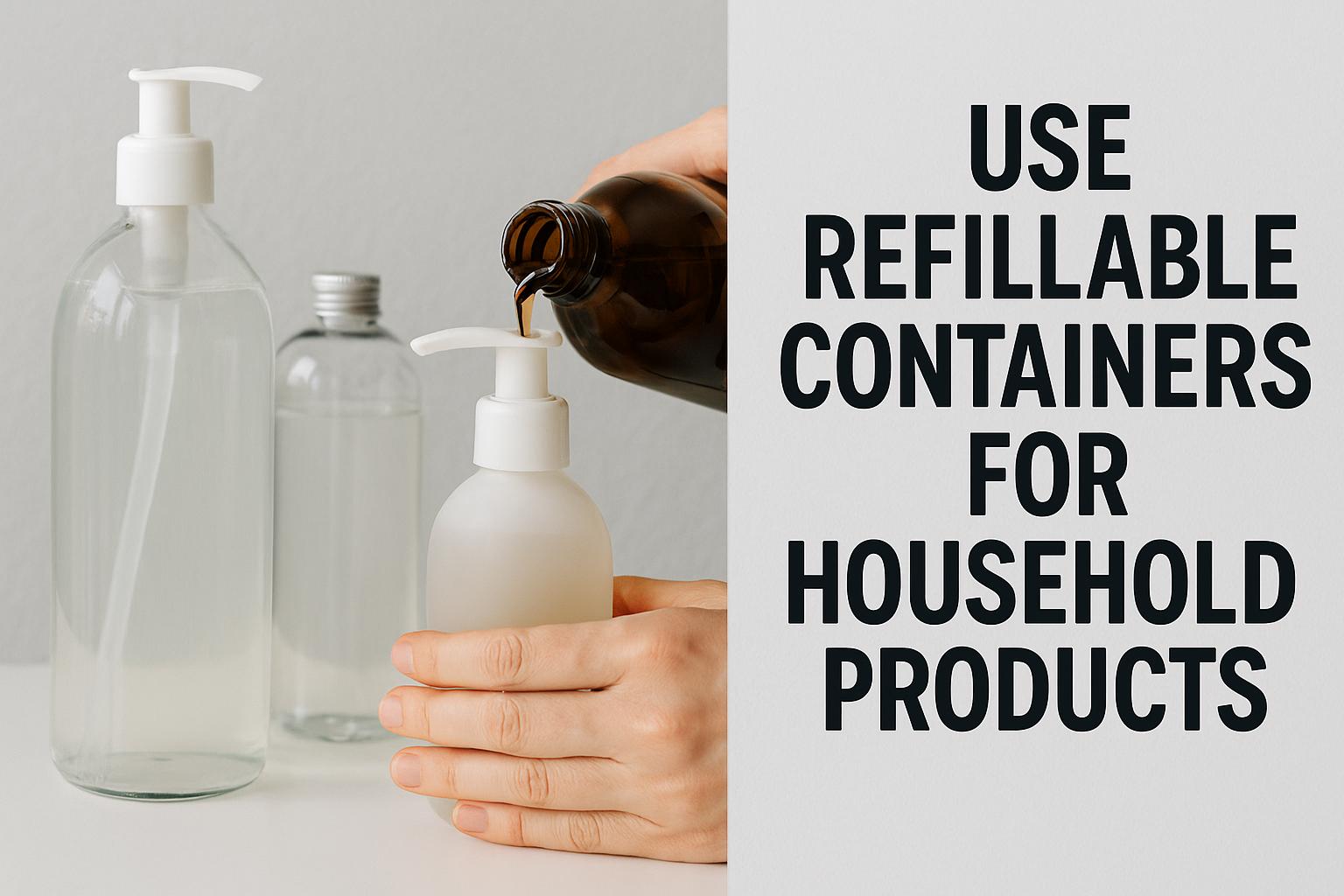
Introduction to Refillable Containers
Refillable containers are becoming an increasingly popular option for individuals looking to reduce their environmental impact. By transitioning to refillable containers for household products, consumers can significantly decrease the amount of plastic waste they generate. Beyond environmental benefits, this movement towards refillable options offers several other advantages that merit attention.
Understanding the Environmental Benefits
One primary advantage of using refillable containers is the reduction in plastic waste. Most household products, such as cleaning supplies, soaps, and shampoos, are typically packaged in single-use plastic containers. Each year, a considerable amount of plastic ends up in landfills and oceans, creating a significant environmental concern. Switching to refillables can help diminish the demand for new plastic production and, subsequently, the strain on global ecosystems.
Moreover, this switch can result in a decrease in carbon emissions associated with the manufacturing process of disposable containers. When these products are manufactured, transported, and eventually disposed of, they contribute to a cycle that generates carbon emissions. By reusing containers, consumers actively participate in breaking this cycle and reducing the carbon footprint associated with everyday products.
Economic Advantages
In addition to ecological benefits, refillable containers offer substantial economic advantages. While the initial investment may involve purchasing containers designed for long-term use, the ongoing costs tend to be lower over time. This financial benefit arises as consumers are able to purchase larger quantities of products at slightly reduced prices compared to single-use alternatives.
Consumers interested in economic considerations may find that refillable product options provide comparable or even superior value in the long-run. Purchasing in bulk not only saves resources but also allows consumers to take advantage of discounts often associated with buying larger quantities. Therefore, the economics of refilling not only aligns with environmental sustainability but also promotes cost efficiency.
Convenience and Practicality
Using refillable containers can simplify household management. With reusable containers, consumers are granted the opportunity to store and organize their products more efficiently. These containers are often designed to be durable and easily stackable, making them ideal for optimizing storage space.
In certain areas, refill stations are available at local stores, allowing consumers to directly refill containers with their preferred products at the point of sale. This accessibility can significantly enhance user convenience while supporting environmentally-friendly practices. The ease of visiting a refill station, typically situated in accessible locations, makes it straightforward to keep containers replenished without the hassle of frequent purchases.
Moreover, the reusable aspect of such containers often comes with designs that are catered toward ease of use, from easy pouring to child-friendly handling. Refill stations are equipped with systems aimed at minimizing spills and waste while ensuring that containers can be filled swiftly and safely.
Challenges and Considerations
Adopting refillable containers does not come without its challenges. For instance, refill stations are not yet ubiquitous and may not be available in certain areas, posing an inconvenience to those interested in adopting refillable solutions.
Additionally, there is the concern of transporting these containers, especially if they are filled with heavier or bulk products. Consumers may need to manage the logistics associated with cleaning and maintaining refillable containers, which calls for a level of commitment that extends beyond that required by single-use products.
Despite these challenges, many communities and businesses are actively working to enhance accessibility and convenience. Innovations in technology and design are being applied to create better solutions for storing, handling, and refilling products. Small local businesses and larger corporations alike are investing in research and infrastructure that promise to make refillables more mainstream and convenient for everyday use.
Conclusion and Future Prospects
In conclusion, transitioning to refillable containers for household products is a step closer toward a more sustainable future. This transition not only contributes to environmentally friendly practices by significantly reducing waste but also offers economic advantages that can benefit consumers financially.
The potential for wider adoption of refillable containers is immense, with many future prospects likely to nurture this movement further. Retailers are increasingly offering incentives for refilling, such as discounts and loyalty points, to encourage more people to make the switch. For consumers, tapping into local community initiatives or retailer programs that support sustainable practices can provide detailed guidance on how to incorporate refillable containers into everyday life.
As awareness continues to grow about the benefits of refillables, it is anticipated that more infrastructure will be developed to support this trend, making it more accessible and convenient for people everywhere. Those interested in contributing to environmental sustainability and long-term economic savings will find that adopting refillable containers is a practical and impactful choice.