
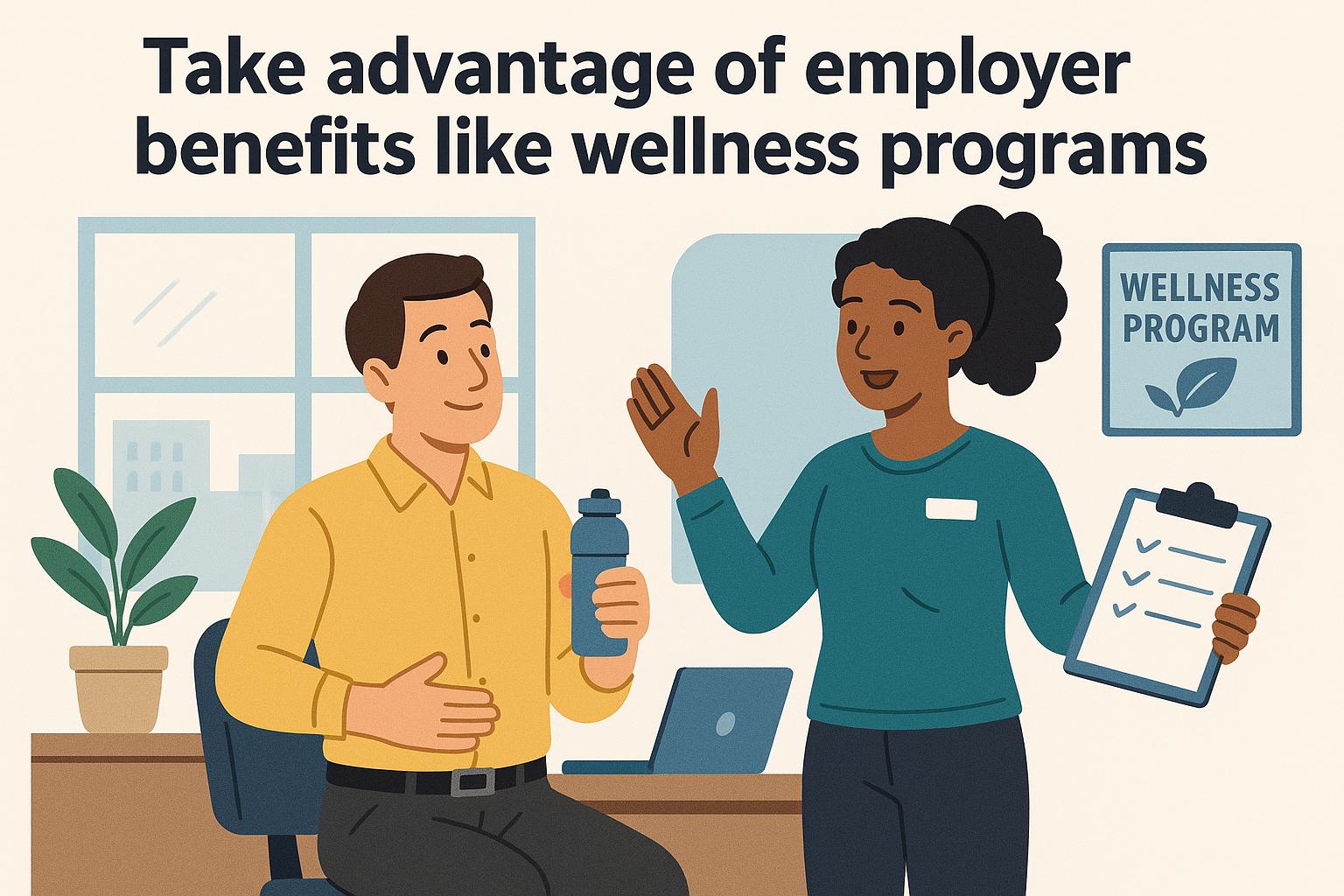
Understanding Employer Wellness Programs
Employer wellness programs have seen a significant rise in adoption as companies realize the immense benefits of fostering a healthier workplace environment. These initiatives are comprehensive in nature, encompassing a blend of activities and services that are strategically designed to enhance the overall health and well-being of employees. Central components of these programs often include health screenings, structured fitness activities, personalized nutrition counseling, and various stress management workshops.
The proliferation of such programs is not only a testament to changing work cultures but underscores the importance of employee wellness in enhancing productivity and workplace satisfaction. This shift acknowledges how a healthy employee base is crucial for the sustained success and growth of any organization.
Benefits of Participating in Wellness Programs
Employee participation in wellness programs can offer numerous benefits. From a physical health perspective, wellness programs facilitate improvements by promoting consistent physical activity and advocating for healthier dietary choices. Participants in these programs frequently report lower stress levels, improved moods, and increased energy, all of which contribute to enhanced job performance and satisfaction on a day-to-day basis.
Moreover, the proactive approach to health cultivated through these programs is instrumental in reducing the risk of chronic illnesses in the long term. By instilling a culture of health consciousness, employees can enjoy significant health benefits that extend well beyond the workplace.
In addition to health benefits, these programs often translate into financial savings for the participants. Sustaining a healthier lifestyle typically correlates with a reduction in the frequency of medical visits, thereby decreasing the overall healthcare costs for employees. Furthermore, many of these wellness initiatives incorporate financial incentives such as discounted health insurance premiums and rewards for the completion of health-related milestones and goals.
How to Take Full Advantage of Wellness Programs
To wholly benefit from wellness programs, active participation and engagement are essential. Employees should begin by thoroughly reviewing the available programs, discerning which activities and services are in alignment with their personal health aspirations. Given the diverse array of resources employers may offer—ranging from online fitness sessions and educational seminars to access to wellness coaches—it’s important for employees to identify and involve themselves in programs that best meet their health goals.
Setting Personal Health Goals
An initial and vital step in leveraging wellness programs is the establishment of clear and attainable personal health goals. Whether the objectives involve weight loss, enhanced cardiovascular conditioning, or effective stress management, having definitive goals empowers employees to monitor their progress comprehensively and maintain motivation. The process of setting and striving toward these goals is indispensable in fostering a mindset oriented toward personal growth and commitment to healthier living practices.
Leveraging Available Resources
Another critical aspect lies in the optimum use of resources provided within the framework of an employer’s wellness program. Employees should take full advantage of workshops, partake in fitness challenges, and avail themselves of consultations with wellness coaches. Many programs are integrated with technology through online platforms or mobile applications, which facilitate easy tracking of activities, progress monitoring, and sustained engagement.
For employees seeking further guidance on maximizing these benefits, numerous resources exist through established organizations, such as the Centers for Disease Control and Prevention (CDC), which provide in-depth insights into the implementation and experience of wellness programs.
Conclusion
In conclusion, employer wellness programs offer an invaluable avenue for employees not only to improve their personal health but also to achieve specific health objectives and potentially lower healthcare-related expenses. Through proactive participation and establishing clear goals, employees stand to gain a wide spectrum of personal and professional rewards. Understanding and effectively utilizing the wellness programs available can transform one’s workplace experience, making health and wellness integral parts of balancing work and personal life. The proactive approach to wellness can significantly enhance job satisfaction and performance, creating a thriving workplace environment that benefits both employees and employers.