
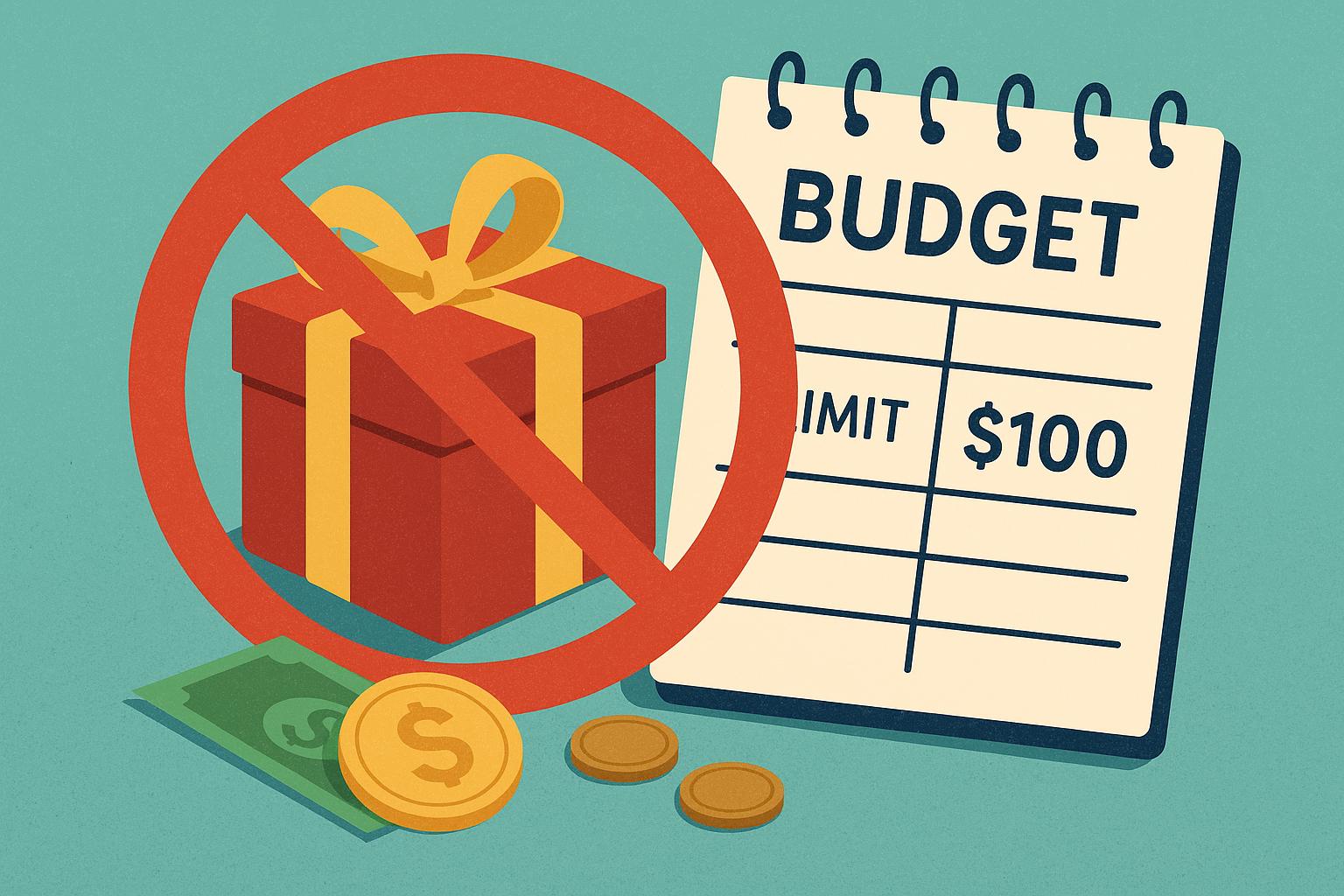
The Importance of Setting a Budget for Gift-Giving
Gift-giving is a cherished tradition, celebrated worldwide to mark various special occasions such as birthdays, holidays, weddings, and anniversaries. While the act of giving gifts can be a rewarding way to express love, gratitude, and appreciation, it is crucial to approach it with financial mindfulness to avoid potential monetary challenges. Setting a budget for gift-giving is an essential step to ensure that these expenses remain manageable and do not put your financial health at risk.
Understanding Your Financial Limits
Before diving into any gift-giving activities, a comprehensive understanding of your financial situation is vital. This involves thoroughly reviewing your income sources, regular expenses, and savings to determine a practical amount that can be allocated to gifts without derailing your financial stability. By pre-establishing a budget, you are in a better position to avoid overspending, which can lead to unnecessary debt and financial stress.
Recognizing Income Versus Expenses
Begin by calculating your monthly income, which is the sum of all earnings from various sources. Next, list your monthly expenses, including fixed costs such as rent or mortgage payments, utilities, groceries, and any recurring debt payments. By subtracting your total monthly expenses from your total monthly income, you can assess how much discretionary income is available for non-essential spending, such as gifts.
Setting Realistic Planning Goals
Once you have a clear picture of your financial limits, setting realistic gift-giving goals for the year becomes easier. It’s important to remain honest with yourself about what you can afford, focusing on thoughtful rather than extravagant gifts. Balancing generosity with financial wisdom is key to a sustainable approach to gift-giving.
Steps to Create a Gift-Giving Budget
Creating a well-defined gift-giving budget involves several methodical steps that facilitate financial discipline throughout the year.
1. Assess Your Annual Gift-Giving Needs
To plan effectively, start by assessing all potential gift-giving occasions for the year. This may include birthdays of family members and close friends, anniversaries, graduations, religious and cultural holidays, and any other special events specific to your circle.
2. Prioritize Events and Recipients
Prioritizing events and recipients helps in allocating resources wisely. Identifying which occasions and individuals hold more significance allows you to focus more of your budget on those, while keeping expenditures on less important events more modest. This selective approach ensures meaningful gifts are given where they matter most.
3. Set a Per-Event Spending Limit
For thorough budget management, determining a clear spending limit for each event is crucial. By defining the maximum amount you are willing to spend on gifts for a particular occasion, you create clear financial boundaries that help distribute your total gift-giving budget evenly across the year.
4. Track Your Spending
Tracking every gift-related expenditure is an effective way to stick to your budget. Maintain a detailed record of purchases, including gift prices, wrapping, and any additional costs involved. Regularly reviewing your spending logs allows you to make necessary adjustments to stay on track and refine your strategy for subsequent purchases.
Strategies for Adhering to Your Budget
Maintaining a commitment to your budget requires practical strategies and a disciplined approach. Here are several methods to help achieve this goal:
Plan Ahead: Proactive planning allows you to take advantage of seasonal sales, discounts, or promotional events, substantially reducing gift-related expenses. By preparing early, you avoid the last-minute rush that often results in impulsive and overpriced purchasing decisions.
DIY Gifts: Personalized, handmade gifts offer an excellent alternative to expensive store-bought items. Engaging in DIY projects can produce meaningful gifts that carry sentimental value, often cherished much more by recipients compared to commercial products.
Gift Cards: Opting for gift cards provides an exact amount of expenditure, eliminating the risk of budget overruns. Gift cards also give recipients the freedom to choose what they truly want or need, thus increasing their satisfaction.
Conclusion
In conclusion, setting a budget for gift-giving is an important practice that enables you to enjoy the rewarding act of giving while avoiding the stress that comes with financial strain. With a clear budget in place, you can celebrate important occasions and express love and gratitude to those you care about without compromising your long-term financial goals. The discipline of financial planning ensures that both the giver and receiver can enjoy the beauty and meaning of the gift-giving experience. For more budgeting tips and resources to hone your financial management skills, you can explore helpful websites such as Consumer Financial Protection Bureau and MyMoney.gov.