
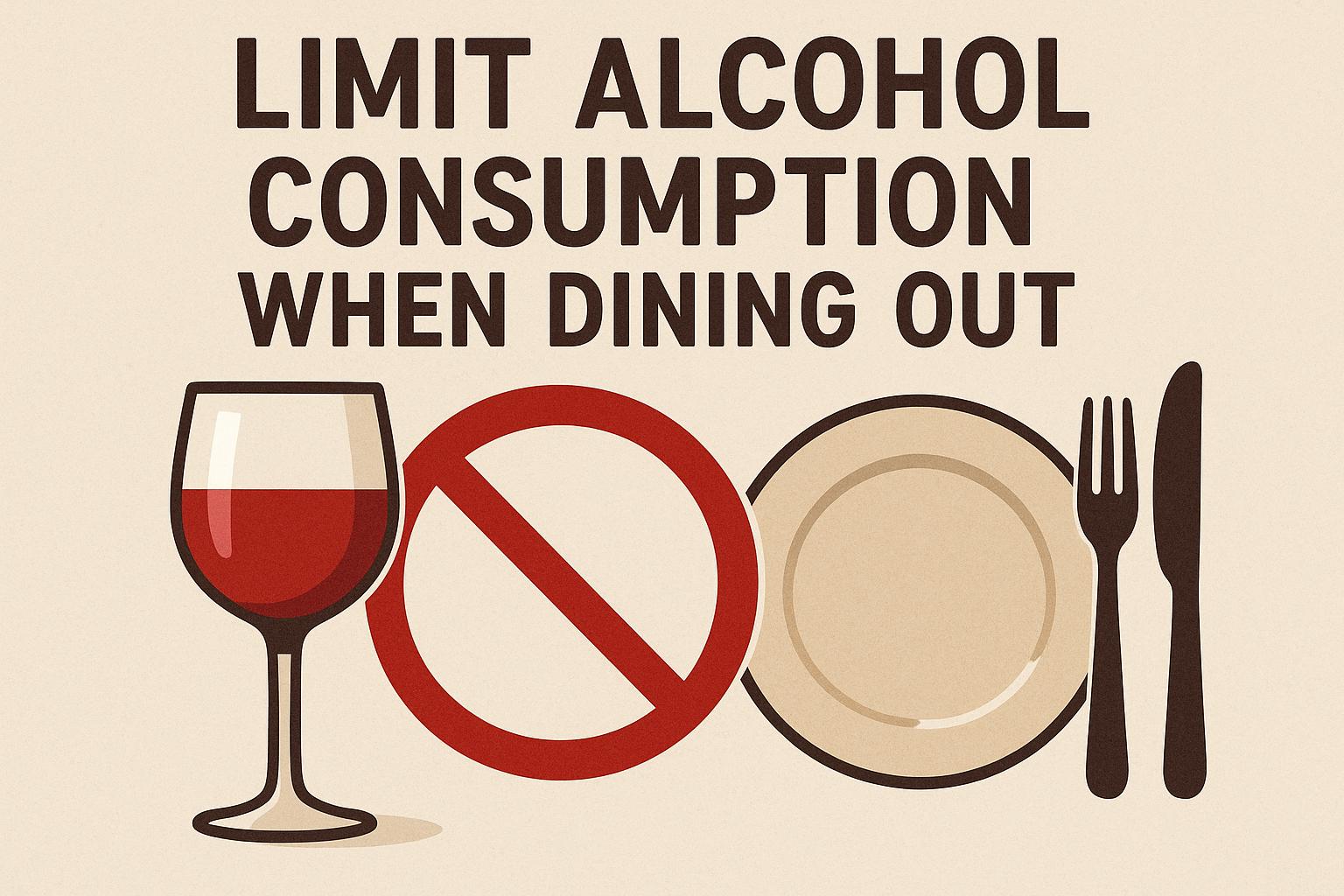
Understanding the Importance of Limiting Alcohol Consumption
When dining out, numerous factors can influence the decision to consume alcohol, such as social settings, menu pairings, or cultural traditions. Despite its common presence in dining experiences, it is crucial to understand the importance of maintaining moderate consumption levels. Excessive intake can lead to a range of health, safety, and financial consequences.
Health Considerations
The consumption of alcohol is a double-edged sword, enjoyed for its social lubrication and potential health benefits when consumed in moderation. However, overconsumption poses several serious health risks. The National Institute on Alcohol Abuse and Alcoholism (NIAAA) indicates that excessive alcohol intake can result in liver disease, cardiovascular problems, and an increased risk of cancer. These conditions underscore the necessity of practicing moderation in alcohol consumption.
Immediate Effects
In the short term, drinking more than one’s body can handle may lead to impaired judgment and coordination. This impairment increases the likelihood of accidents, particularly when tasks requiring fine motor skills and quick reflexes, like driving, are involved. Additionally, short-term overconsumption can result in hangovers, characterized by headache, nausea, and general malaise, further impacting one’s productivity and well-being the following day.
Long-Term Impacts
The long-term impacts of chronic heavy drinking are even more concerning. Such behavior can lead to the development of alcohol dependence or addiction, where the individual finds it difficult to function without alcohol. Furthermore, long-term excessive consumption can result in significant physical health issues, such as cirrhosis of the liver, certain types of cancer, and heart disease. These conditions not only diminish one’s quality of life but also lead to increased medical expenses and lost productivity over time.
Financial Implications
Dining out can already be a costly affair, and adding alcoholic beverages to the bill can substantially increase the overall cost. In many establishments, alcoholic drinks carry a significant markup compared to their retail price, which can quickly inflate the total expense of dining. By opting for less or no alcohol, individuals can enjoy a more economical dining experience, allowing them to allocate resources to other priorities or experiences.
Smart Ordering
A strategic approach to ordering can balance enjoyment with financial prudence. For instance, choosing water or non-alcoholic beverages for portions of the meal can reduce the overall cost. If opting to indulge in alcohol, doing so mindfully—such as selecting a single glass of wine or beer—can significantly mitigate the financial burden while still allowing for a pleasurable dining experience.
Enhancing the Dining Experience
It is a common belief that a meal is incomplete without a drink. However, the dining experience does not necessarily require alcohol to be fulfilling. Many restaurants offer an increasing variety of non-alcoholic beverage options, making dining outings enjoyable without the use of alcohol. These alternatives, like mocktails or specialty teas and coffees, provide flavorful experiences that rival their alcoholic counterparts.
Embracing Alternatives
Exploring the range of non-alcoholic specialty drinks that restaurants now offer can be a delightful experience. This approach allows diners to enjoy complex, refreshing flavors without the risks associated with alcohol consumption. Additionally, trying these alternatives can introduce new tastes and sensations, enhancing the overall dining experience without compromising on enjoyment.
Social and Cultural Aspects
In many cultures, drinking is as much about the social activity as it is about the beverage itself. Practicing sustainability in social drinking involves enjoying alcohol responsibly, acknowledging personal limits, and resisting peer pressure. Establishing personal boundaries regarding alcohol consumption and communicating them effectively can help maintain these limits.
Practicing Mindfulness
Mindfulness involves paying close attention to how alcohol affects both interactions and the overall dining experience. This awareness encourages responsible consumption, as individuals can better assess the impact of alcohol on their behavior and decision-making. Practicing mindfulness supports healthier interactions and more meaningful connections in dining out situations, enhancing both individual and group experiences.
Conclusion
Limiting alcohol consumption when dining out is a multifaceted consideration that plays a critical role in maintaining one’s health, managing financial resources, and enhancing the overall dining experience. By understanding the far-reaching impacts of alcohol and exploring alternative beverage options, individuals are empowered to make informed choices. These decisions ensure that dining experiences remain enjoyable and responsible, aligning with personal goals and well-being.
In summary, the decision to limit alcohol consumption carries numerous benefits that extend beyond individual health to financial savings and enriched social interactions. By embracing mindfulness and exploring non-alcoholic alternatives, individuals can enjoy dining experiences that are both satisfying and aligned with their personal values and lifestyle choices. Implementing these strategies helps cultivate an informed, balanced approach to alcohol consumption that prioritizes long-term well-being over short-lived indulgence.