
The Shift to Digital Reading
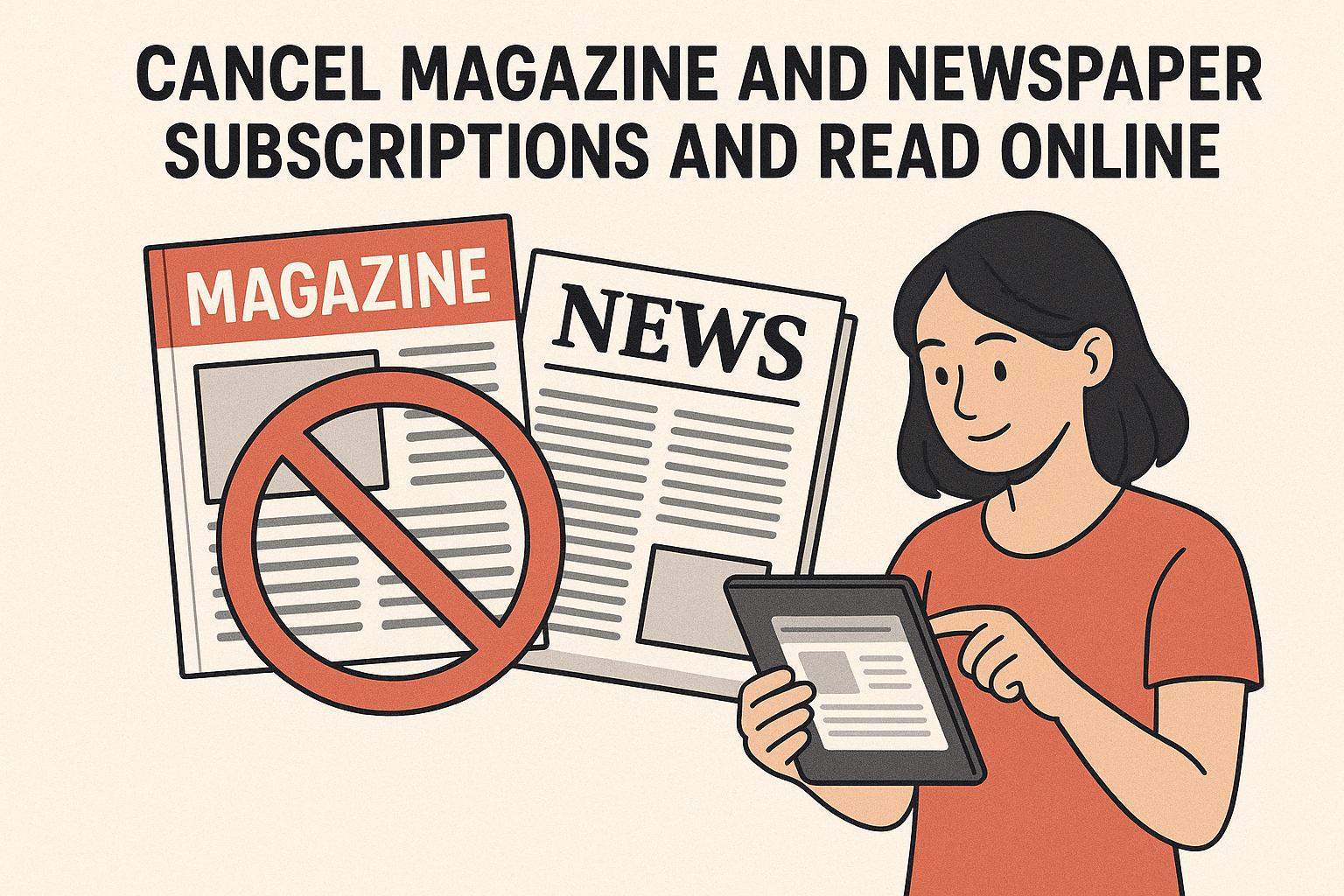
In the rapidly evolving landscape of media consumption, there has been a growing trend towards the cancellation of traditional magazine and newspaper subscriptions in favor of their digital counterparts. This transition reflects profound changes in how readers interact with textual content, emphasizing a shift towards digital adaptations that are primarily driven by factors such as convenience, cost, and eco-friendliness. As society’s engagement with reading continues to transform, examining these dynamics sheds light on the preferences reshaping reader habits.
Convenience and Accessibility
Perhaps the most significant draw of digital subscriptions is the unmatched convenience they offer. Readers around the globe gain the ability to access a broad spectrum of magazines and newspapers instantly from their digital devices. Whether the device of choice is a smartphone, tablet, or computer, these digital editions are readily accessible, granting users the ability to carry an entire library within a single device. Furthermore, the adaptability of digital platforms means a personalized reading experience, as individuals can tailor their viewing preferences; this includes adjusting font size for ease of reading and utilizing night mode to reduce eye strain. Features like these not only enhance the reading experience but also cater to a diverse range of readers.
Cost-Effectiveness
Switching to digital subscriptions is generally more economical than opting for their print counterparts. The often steep costs associated with print subscriptions are significantly reduced when choosing digital formats. Many publications provide free access to their content, or offer it for a nominal fee, making them a budget-friendly option for those who wish to explore a diverse range of publications without incurring substantial financial burden. Additionally, for avid readers who consume multiple publications, the potential for cost savings is considerable, encouraging a broader exploration of content, genres, and subjects.
Environmental Impact
The ecological benefits of opting for digital subscriptions over traditional print editions are noteworthy. The production of print materials involves the use of paper and ink, both of which necessitate manufacturing processes that can harm the environment. By choosing digital formats, readers participate in eco-friendly practices, aiding in the conservation of resources and the reduction of paper waste. The environmental impact is further minimized by eliminating the need for physical distribution of print materials, a move that aligns well with increasing global efforts to promote sustainability.
Staying Updated with Current Events
One of the standout advantages offered by digital formats is the ability to stay abreast of current events with unparalleled immediacy. Digital editions are often updated frequently, sometimes in real-time, allowing readers to have access to the most current news and developments as they unfold. This immediacy provides a definitive edge over print publications which are limited by manufacturing times and distribution schedules, ensuring that digital readers are well-informed and up to date with happenings around the world.
The Role of Technology
Technological advancements have been pivotal in the seamless transition to digital media. Devices such as e-readers, tablets, and smartphones boast user-friendly interfaces and functionalities designed to enhance the reading environment. Digital publications often offer interactive content, featuring videos and hyperlinks that enrich the user’s engagement with the material. The integration of multimedia elements, such as embedded videos or animation, transforms the act of reading into a more dynamic and immersive experience, appealing particularly to younger or tech-savvy audiences.
Conclusion
The migration from print to digital media represents a paradigm shift rather than a transient trend, mirroring the transformed ways in which individuals choose to consume information. The plethora of digital offerings, accessible through platforms such as The New York Times or Magzter, showcases a diverse assortment of digital content ready for exploration. As more people discover and appreciate digital reading options, the array of content continues to expand, presenting readers with endless opportunities to engage with information. Such platforms provide a convenient way for users to peruse a variety of genres, topics, and narratives, presenting an invaluable resource for curious minds.
The shift towards digital reading is accentuated by components that emphasize accessibility, affordability, and sustainability, catering to the evolving demands of the modern reader. Furthermore, the distinct advantages presented by digital platforms ensure that this trend will not only continue but potentially redefine reading habits for future generations. With technological developments continuously enhancing the digital reading experience, consumers are likely to find increased value and engagement in the diverse array of content available at their fingertips. As society becomes more intertwined with digital platforms, the opportunities for discovering, consuming, and interacting with content expand, engendering a vibrant, continuously evolving reading culture.