
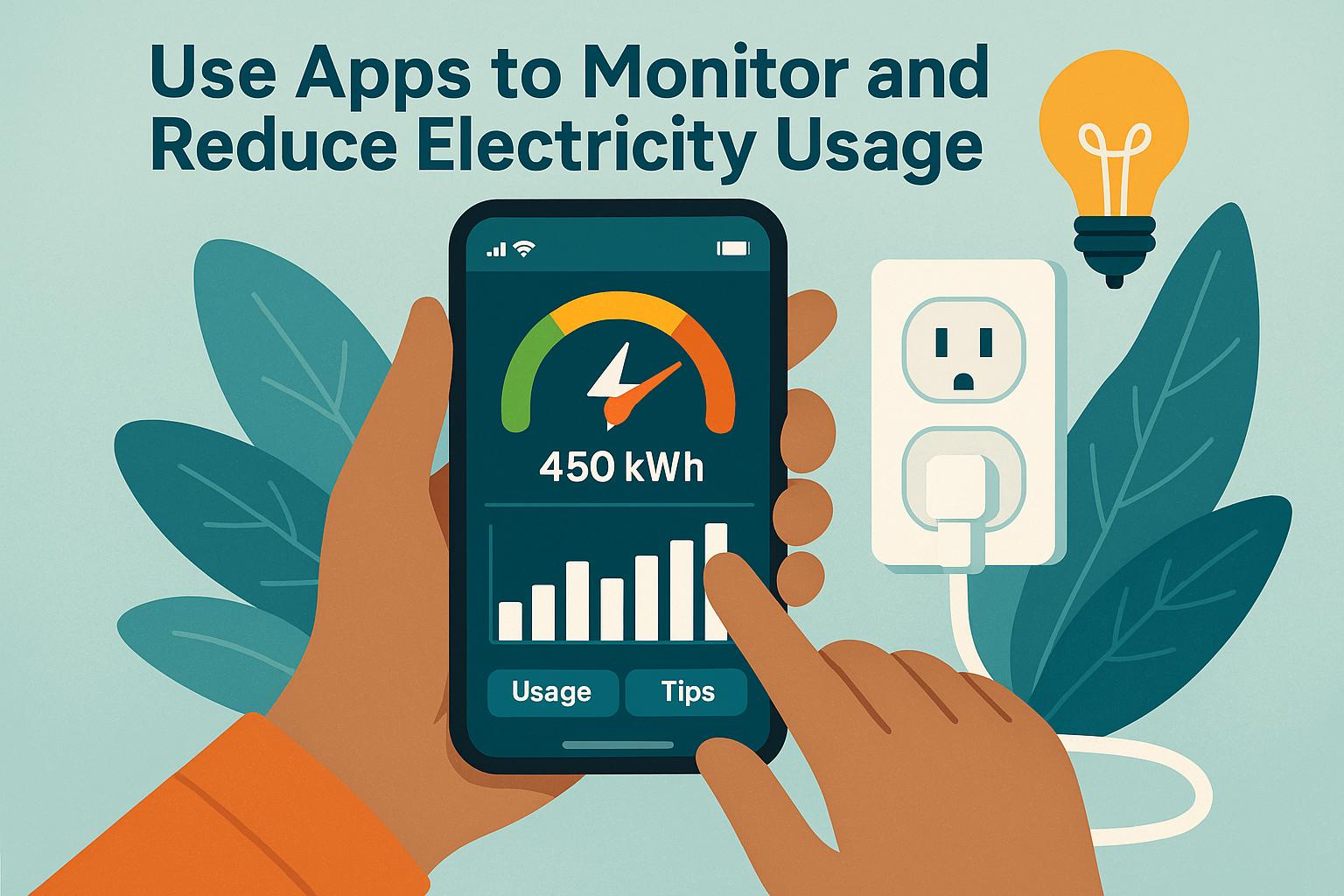
The Role of Apps in Monitoring Electricity Usage
In today’s technology-driven era, managing electricity usage has become more accessible and efficient, thanks to the advent of specialized applications. These apps serve as powerful tools, allowing individuals to gain real-time insights into their electricity consumption. Such accessibility enables users to make informed decisions that can lead to energy conservation and cost savings.
How Electricity Monitoring Apps Work
Electricity monitoring apps primarily work by interfacing with smart meters or via specially designed devices that connect to various household appliances. These devices accurately track the electricity usage of each connected appliance. The app then compiles and consolidates this data to provide users with a comprehensive and easily understandable overview of their energy consumption patterns.
Key Features
Real-Time Tracking: One of the most beneficial features is real-time monitoring. It allows users to see immediate feedback on their energy consumption, helping in identifying areas of unnecessary usage quickly, and thus enabling timely intervention to reduce waste.
Historical Analysis: These apps provide access to past consumption data, which is invaluable for identifying trends. This historical perspective can guide in devising long-term strategies for energy savings by highlighting periods of high usage or inefficiency.
Appliance-Specific Monitoring: Certain apps offer the ability to monitor energy consumption on an appliance-by-appliance basis. This precision provides insights into which devices are consuming the most energy and where there might be potential for efficiency improvements.
Advantages of Using Apps for Energy Conservation
The integration of electricity monitoring apps into households presents numerous advantages, encouraging more efficient energy usage:
Cost Savings: These apps help identify areas where energy is being inefficiently used, enabling users to make adjustments that can significantly reduce their utility bills.
Environmental Impact: Lower electricity consumption means reduced demand on power plants, which in turn diminishes the environmental impact associated with energy production, thus supporting sustainability efforts.
Convenience: By having data accessible on smartphones or tablets, users can easily monitor and manage their electricity usage regardless of their location, ensuring energy efficiency is constantly maintained.
Personalized Recommendations: Many apps now include features that analyze user habits to provide tailored suggestions, helping further optimize energy usage based on individual patterns.
Popular Apps for Monitoring Electricity Usage
Several apps in the market stand out for their effectiveness in aiding users to track and manage electricity consumption:
Sense: By directly connecting to your home’s electrical panel, Sense provides both real-time insights and alerts about unusual energy usage patterns. More detailed information is available on their official website.
Google Nest: Famous for its smart thermostat, Google Nest offers more than just temperature control—it provides an integrated approach to managing home energy. Users seeking to expand their smart home capabilities can visit the Google Store.
Emporia Energy: This app works hand-in-hand with smart home energy monitors to deliver comprehensive analytics regarding electricity consumption, further detailed on their official site.
User Considerations
While these apps provide substantial benefits, users must consider a few critical aspects. Firstly, data privacy is an essential factor. As these apps gather detailed data on household energy consumption patterns, ensuring this information is securely handled by providers is essential. Additionally, the initial setup for comprehensive monitoring might require purchasing compatible hardware or ensuring compatibility with existing systems, which should be considered in cost-benefit analysis.
Installation Process
The installation process for electricity monitoring apps and their associated hardware varies but typically involves a straightforward setup. Most applications are designed with user-friendliness in mind, providing step-by-step instructions for setting up the system. Those using smart meters often only require downloading the app and creating an account. Plug-in devices may require a more detailed installation process, including attaching the device to the electrical panel or connecting it to household appliances.
Data Interpretation
Interpreting the data provided by these apps can initially seem daunting. However, many apps include tutorials or FAQs to help users understand the information presented. The visual tools, such as graphs and charts, aid in simplifying complex data, making it more understandable for the average user. As users become accustomed to regularly checking and analysing this data, identifying consumption patterns and areas where reductions can be achieved becomes more intuitive.
Challenges and Future Directions
While electricity monitoring apps are a significant advancement, they are not without challenges. For instance, the variability in the electricity grid and regional differences in energy infrastructure can affect the accuracy and reliability of these apps. Moreover, user adoption can be slow due to the initial costs of compatible devices and the learning curve associated with using new technology.
Looking ahead, the integration of AI and machine learning can enhance the capabilities of these apps. Future developments may include predictive analytics for pre-emptive energy-saving measures or the integration of renewable energy management, aligning with smart city initiatives. These advancements will likely make electricity monitoring even more precise and tailored to individual households, driving greater adoption and energy efficiency.
The continual evolution of technology promises that these electricity monitoring tools will become even more integrated into our lives, playing a crucial role in the management of energy both at home and globally. As individuals and developers alike continue to prioritize sustainability, the future of electricity monitoring apps looks promising, with the potential to contribute significantly to ecological conservation efforts.