
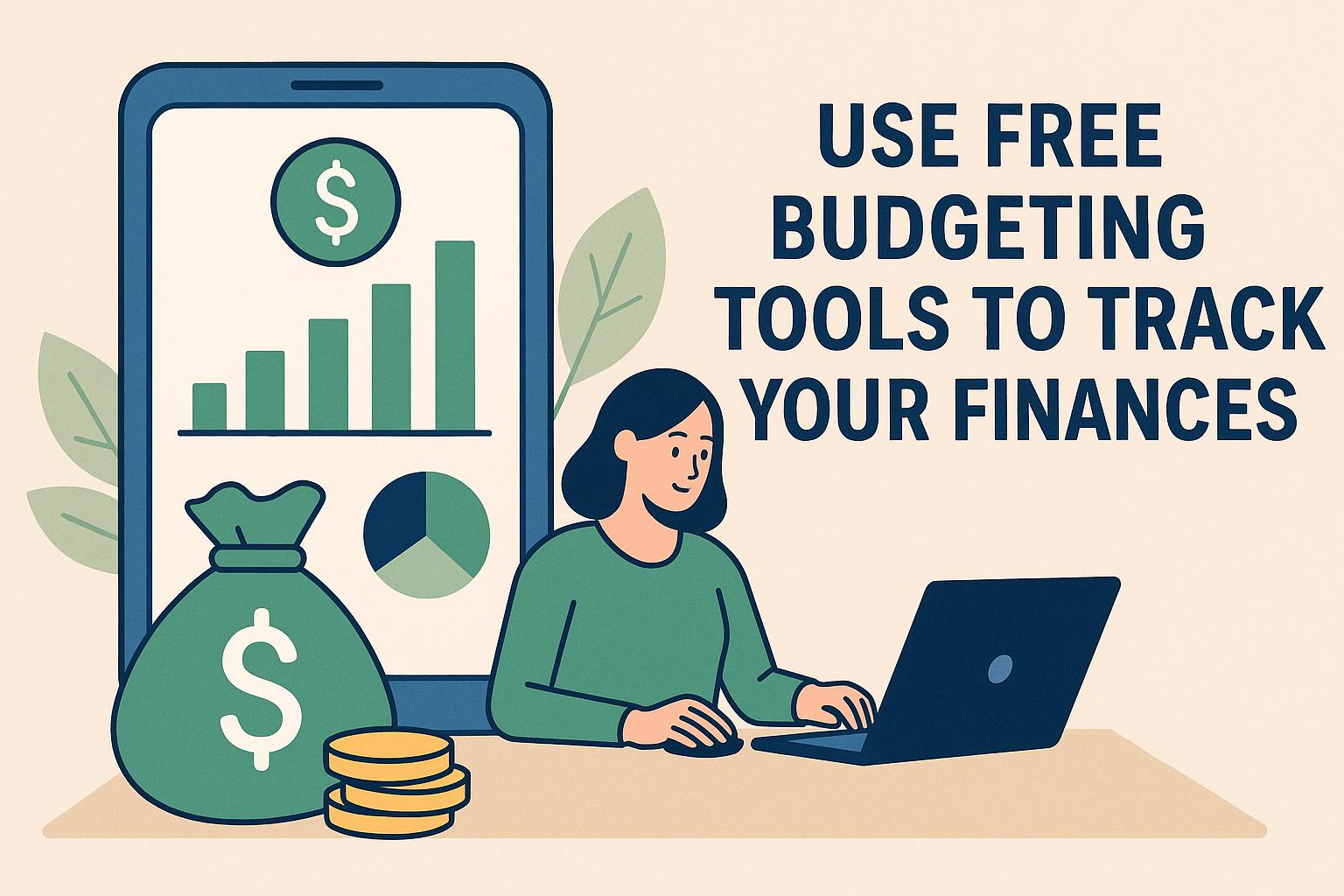
Introduction to Free Budgeting Tools
In today’s fast-paced financial environment, keeping track of personal finances is more crucial than ever. Budgeting tools are designed to simplify this task by offering a structured approach to manage your income, expenses, savings, and investments. These tools not only assist individuals in cultivating better financial habits but also ensure that they stay on track with their financial goals. With the advent of technology, many of these tools are readily accessible, often at no cost, making them an appealing choice for many. This article delves into the advantages of using free budgeting tools, highlights some popular choices, and offers guidance on effective implementation.
Benefits of Using Free Budgeting Tools
The appeal of free budgeting tools lies in their ability to offer significant advantages to users without incurring additional costs. Let’s explore some of the primary benefits:
Cost-effectiveness: One of the most attractive features of these tools is their zero cost. This means that there is no financial barrier to access, making them available to anyone interested in improving their financial habits. Whether you’re a student, a young professional, or someone looking to optimize your financial planning, free tools can cater to a wide range of needs.
Accessibility and Convenience: Free budgeting tools are often available as both web-based platforms and mobile applications. This ensures that users can manage their finances on-the-go, whether they are at home, at work, or traveling. The convenience of accessing these tools anytime and anywhere adds a layer of ease to the process of financial management.
Comprehensive Financial Tracking: Most free budgeting tools offer comprehensive tracking capabilities that cover multiple facets of personal finance. This includes monitoring income, spending, savings, and even investments. By having a holistic view of one’s financial situation, individuals can make informed decisions and adjust their financial habits accordingly.
Popular Free Budgeting Tools
There are several well-regarded free budgeting tools that have gained popularity due to their user-friendly interfaces and robust functionalities. Some of these tools include:
Mint: As one of the most popular free budgeting platforms, Mint offers an extensive range of features. Users can connect various financial accounts, allowing them to track spending, set budgets, and receive personalized financial insights. Additionally, Mint sends alerts for upcoming bills and any deviations from your budget, ensuring you remain aware of your financial standing. More details can be found on the Mint website.
YNAB (You Need a Budget): While YNAB primarily operates on a subscription model, it provides a free trial for new users to experience its offerings without immediate commitment. The platform emphasizes proactive budgeting, encouraging users to allocate a purpose for every dollar, ultimately aiding in breaking the cycle of living paycheck-to-paycheck. YNAB can guide users towards saving more effectively. Their approach and tools are available on the YNAB website.
Personal Capital: Personal Capital’s free financial tools offer users an excellent way to track both spending and investments. Providing an overarching view of one’s financial situation, the platform comes equipped with analysis tools and detailed reports that offer insights into financial health. Visit the Personal Capital website for further information.
Implementing Free Budgeting Tools
To derive the maximum benefit from free budgeting tools, it’s essential to integrate them effectively into your daily financial routine. Here are some steps to consider:
Choose a Tool: Begin by selecting a budgeting tool that aligns closely with your individual financial goals and preferences. With numerous options available, take the time to evaluate which features are most pertinent to your needs.
Regular Updates: To ensure that the information in your budgeting tool is accurate, regularly update your financial data. This includes inputting any changes in income, expenses, or savings, which allows the tool to reflect a real-time picture of your financial status.
Insight Utilization: One of the key benefits of budgeting tools is the financial insights they deliver. Use these insights to examine your spending habits, identify potential saving opportunities, and make necessary adjustments to better direct your financial resources.
Continuous Monitoring: Develop the habit of continuously monitoring your financial activities using the chosen tool. This regular oversight will not only help maintain financial discipline but also ensure that any discrepancies are promptly addressed.
Conclusion
Free budgeting tools serve as a valuable resource for individuals striving to gain better control over their finances while avoiding additional expenses. In an era where financial literacy is paramount, leveraging these digital tools can significantly aid in developing smarter financial habits and ultimately lead to enhanced financial stability and growth. By making informed decisions based on comprehensive data provided by these tools, individuals can confidently navigate their financial journeys towards achieving their long-term financial objectives.