
Understanding the Lifecycle of Smartphones
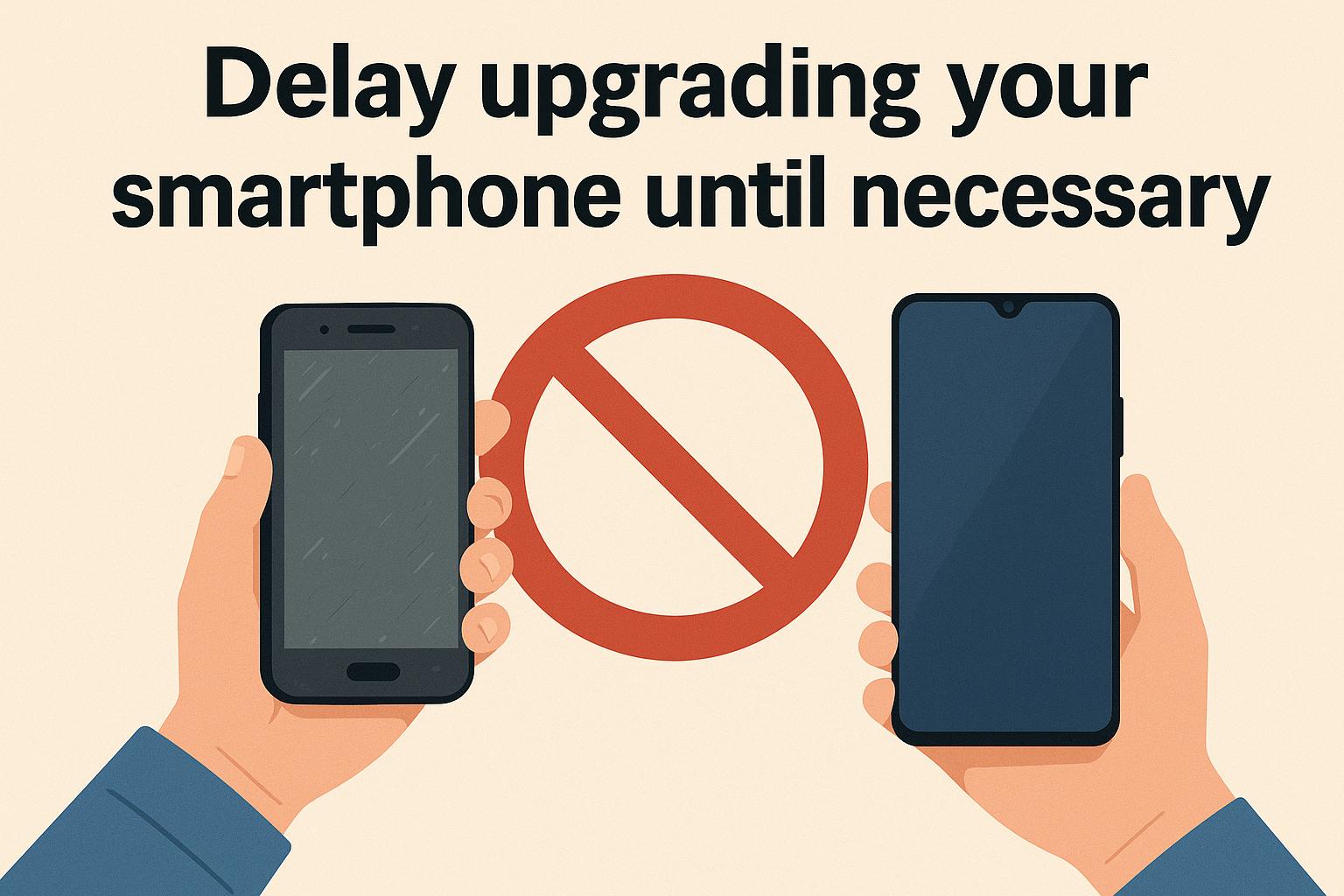
The smartphone industry has been characterized by rapid and impressive technological advancements. However, the perception that upgrading to the latest device is obligatory is not necessarily accurate from a practical standpoint. The lifecycle of smartphone technology is extended, with older models often remaining fully capable of satisfying ordinary user requirements.
Performance and Software Support
Modern smartphones are engineered with longevity as a central feature. A majority of these devices benefit from software updates for several years post-release, enhancing their usability long after their initial launch. These updates typically encompass essential elements like security patches and performance improvements, which collectively ensure that the phone functions effectively over extended durations. For a more detailed understanding of the typical timelines for software support, visiting the manufacturer’s website can be insightful.
Assessing Your Current Needs
Evaluating whether your current smartphone fulfills your needs is an important consideration. It involves analyzing aspects such as battery life, processing speed, and camera quality. If you find these functionalities to still be adequate, there might be minimal justification for pursuing an upgrade. Often, user habits and needs evolve slower than the technological advancements themselves, making it critical to align any upgrading decision with actual necessity rather than perceived obsolescence.
Environmental Considerations
A significant advantage of postponing a smartphone upgrade is the contribution to environmental sustainability. Retaining your existing device for a longer period aids in diminishing e-waste. Electronic waste is a growing concern globally, as discarded electronics often end up in landfills, leading to environmental degradation. Engaging with resources that specialize in electronics recycling can provide more insightful guidance on responsibly managing old electronics, further mitigating the environmental impact.
Financial Savings
The financial dimension of choosing to delay purchasing a new smartphone is notable. The initial expenses associated with buying a new device can be considerable. Delaying an upgrade allows for monetary savings that could be utilized in other areas, be it investment opportunities or indulging in hobbies and interests that add value to one’s lifestyle. This financial rationality underpins a strong argument for prolonging the use of an existing smartphone until an upgrade becomes indispensable.
Emerging Technologies
The realm of smartphones is experiencing exciting shifts towards emerging technologies such as 5G and foldable screens. While these innovations present intriguing possibilities, they may not yet be fully optimized or essential for the typical user. Patience in awaiting the maturation of these technologies can be beneficial. Their eventual stability and broader application will likely ensure a more gratifying experience when they are indeed adopted.
Conclusion
Before deciding to upgrade your smartphone, it is advisable to weigh various considerations carefully. Evaluating performance needs, environmental impact, financial aspects, and future technological developments can guide users towards a sound decision that is aligned with their long-term goals and responsibilities. By thoughtfully examining whether a new device is essential, users can make well-informed choices that reflect not just the appeal of new technology but also the practicality and sustainability of their technological engagements.