
Investing in Quality: A Practical Approach
Choosing to invest in quality items over cheaper but less durable alternatives is a strategy often recommended by many financial advisors. This approach is not just about saving money in the long run but also includes significant benefits related to sustainability and consumer satisfaction. Investing in products that are built to last helps reduce waste and minimizes the need for frequent replacements.
The Financial Perspective
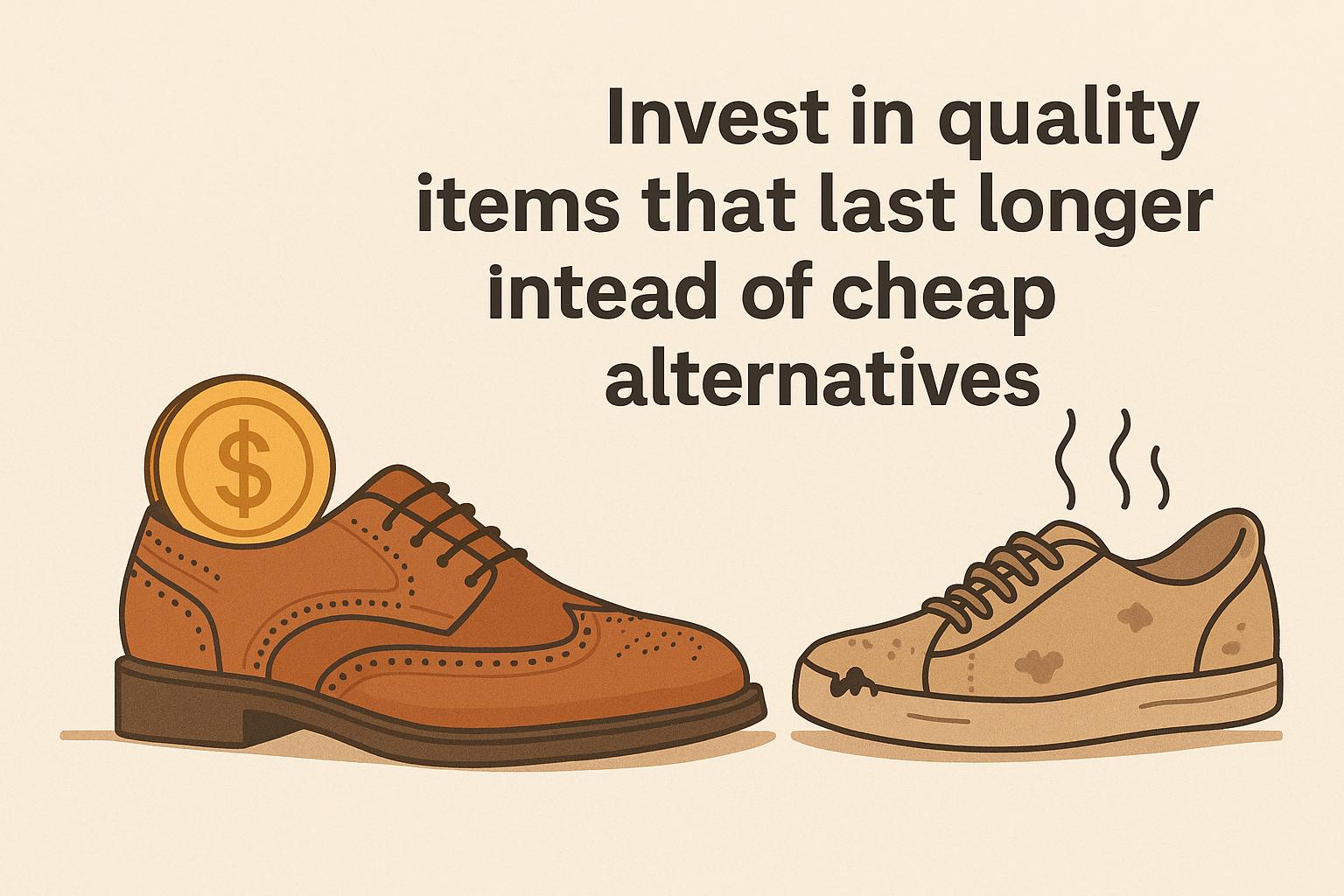
From a financial viewpoint, opting for quality goods may appear more expensive initially. However, the investment in items with a longer lifespan can lead to substantial savings over time. For instance, consider the purchase of a high-quality pair of shoes that might come with a heftier price tag compared to a cheaper equivalent. Despite the higher upfront cost, if the quality pair lasts for several years while the cheaper option requires constant replacements, the overall long-term expenses can be higher for the latter choice. In the end, investing in quality can significantly reduce the total cost incurred over time.
Case Study: Clothing
In the clothing sector, the choice of quality materials and craftsmanship can have a considerable impact on both longevity and cost-effectiveness. Natural fibers such as cotton, wool, and silk are noted for their durability compared to synthetic blends. Investing in clothing made from these materials reduces the annual expenditure associated with replacing worn-out items. Over time, this leads to more value being derived from each piece of clothing within a wardrobe, decreasing the frequency of replacements.
Environmental Impact
The benefits of choosing quality products extend beyond personal finance and into environmental sustainability. Products that are designed to last longer require fewer resources over their lifespan, which helps in reducing the demand for manufacturing and the subsequent waste. The creation of inexpensive alternatives often involves the extensive consumption of resources, contributing significantly to landfill waste. This negative impact on the environment can be mitigated by concentrating on products that are built to endure.
Examples in Electronics
The electronics industry offers a clear illustration of where prioritizing quality is advantageous. A reliable computer or smartphone might carry a higher initial cost, but its durable construction and frequent software updates can extend its functional life. This longevity translates to a reduction in electronic waste and less frequent need for device purchases. Rather than replacing a device every few years, investing in quality electronics can make a tangible difference in both your budget and environmental footprint.
Understanding True Value
It is vital to understand the true value of an item beyond its initial price tag. Factors such as performance, durability, and repairability should be considered when evaluating a potential purchase. Take, for instance, household appliances from renowned brands. These often demonstrate better performance and come with longer warranties compared to cheaper alternatives. Such investments prove to be worthwhile since they potentially require fewer repairs or replacements, enhancing overall value.
Consumer Electronics Companies
Several consumer electronics manufacturers are reputed for producing durable, high-quality products. When acquiring gadgets, it can be beneficial to consult reviews and expert opinions to identify products that offer the best value for money. Websites like CNET provide comprehensive reviews and technical evaluations of a wide array of electronics, aiding consumers in making well-informed decisions.
Conclusion
The practice of investing in high-quality items can lead to both financial benefits and a positive environmental impact. By deliberately selecting products that are durable and reliable, consumers find themselves in a position to reduce long-term costs while contributing positively to environmental sustainability. Making informed purchasing decisions involves a thorough evaluation of true value, where the long-term advantages surpass the initial costs, ensuring both personal satisfaction and reduced environmental waste.